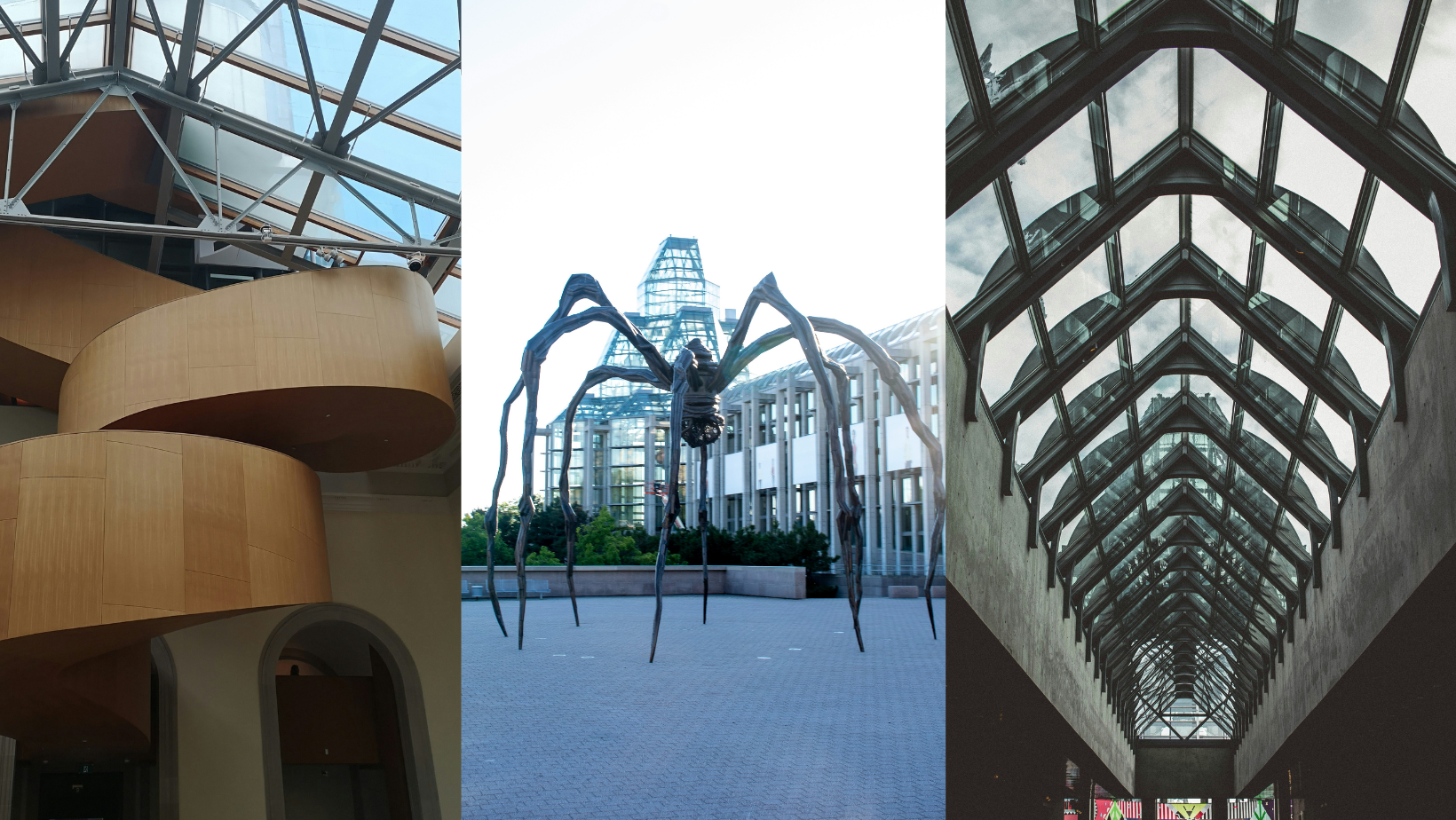
Canada is famous for its mountains, lakes, coastlines, and multicultural cities. However, the country also has an impressive art scene. For art lovers, Canada offers museums filled with paintings, sculpture, photography, design, Indigenous art, Inuit art, and contemporary installations.
A visit to the best art museums in Canada is not only about seeing beautiful objects. It is also about understanding the country through creativity. Art can tell stories about land, identity, history, migration, culture, and community.
In Toronto, you can explore one of the country’s most important art galleries. In Montreal, you can move from European masters to Quebec art and design. In Ottawa, you can see how Canadian art fits into a national story. On the West Coast, Vancouver offers a museum shaped by contemporary culture and British Columbia’s artistic identity. Meanwhile, Winnipeg is home to one of the world’s most important collections of Inuit art.
These museums are more than travel stops. They are cultural landmarks. They also show how wide and diverse Canada’s art world really is.
Here are five museums in Canada worth visiting for art lovers.
1. Art Gallery of Ontario — Toronto, Ontario
The Art Gallery of Ontario, often called the AGO, is one of Canada’s most important art museums. It is located in downtown Toronto, close to restaurants, shops, galleries, and cultural attractions. As a result, it is easy to add to a Toronto travel itinerary.
The AGO is a must-visit for anyone who wants to experience Canadian art and international art in one place. Its collection includes paintings, sculptures, photography, prints, drawings, European works, contemporary pieces, and art by Indigenous artists.
One of the museum’s biggest strengths is its Canadian collection. The AGO is especially known for works connected to the Group of Seven. These painters helped shape how many people imagine the Canadian landscape. Their works often show forests, lakes, skies, and northern scenery.
However, the AGO does not present Canadian art as one simple story. Instead, it shows how artists have responded to nature, cities, politics, identity, and cultural change. Because of this, the museum is a strong starting point for anyone interested in Canadian art history.
The museum also has the Henry Moore Sculpture Centre. This section gives visitors a close look at the work of one of the most important sculptors of the twentieth century. Moore’s sculptures are bold, curved, and deeply physical. They are best experienced slowly. Walk around them, notice the shapes, and let the forms shift as you move.
The building itself is another reason to visit. The AGO was redesigned by Frank Gehry, who was born in Toronto. His design gave the museum a striking glass-and-wood exterior. Inside, the curved staircases and open spaces create a warm and memorable experience.
Because of its size, the AGO works for many types of visitors. If you love European painting, you will find historical works and Old Masters. If you prefer modern and contemporary art, the museum also has strong exhibitions and public programs. If your main interest is Canada, the AGO gives you a broad and thoughtful view of the country’s artistic development.
The museum is also worth visiting more than once. Toronto’s cultural scene changes often, and the AGO reflects that energy. Temporary exhibitions, talks, performances, and events make every visit feel different.
First-time visitors should allow several hours. The museum is large, and it is easy to spend a full afternoon there. Still, you do not need to see everything in one visit. Choose a few sections and enjoy them at a slower pace.
Why art lovers should go: The AGO combines Canadian art history, international works, contemporary exhibitions, sculpture, and standout architecture in one of Canada’s most exciting cities.
2. Montreal Museum of Fine Arts — Montreal, Quebec
The Montreal Museum of Fine Arts is one of Canada’s most loved cultural institutions. It is also one of the best reasons to visit Montreal. The museum offers depth, variety, and a strong connection to the city’s creative spirit.
Montreal is a natural city for art lovers. Its streets are filled with architecture, murals, churches, cafés, galleries, bookstores, and design shops. The Montreal Museum of Fine Arts fits perfectly into that setting. It feels like part of the city’s cultural life, not separate from it.
The museum’s collection covers many periods and styles. Visitors can see European art, Canadian art, Quebec art, Indigenous art, decorative arts, design, photography, and contemporary work. This range makes it one of the most rewarding art museums in Canada for visitors who enjoy variety.
During one visit, you can move from classical painting to modern design. Then, you can explore sculpture, decorative objects, photography, or contemporary installations. Because of this, the museum appeals to both casual visitors and serious art lovers.
One of its strongest features is the way it connects local and global art. You can see works by internationally known artists. At the same time, you can explore pieces that reflect Montreal, Quebec, and Canada’s cultural histories. This balance gives the museum a clear identity.
For visitors interested in European art, the museum offers a rich collection. It includes painting, sculpture, and decorative arts from different periods. These works help place Canadian and Quebec art in a wider art history context.
At the same time, the museum’s Canadian and Quebec collections give visitors a strong sense of place. They show how artists responded to local culture, society, landscapes, and history. As a result, the museum feels both international and deeply connected to Montreal.
The decorative arts and design collections are another highlight. Many people think of art museums mainly as places for paintings. However, this museum shows that art also lives in furniture, ceramics, glass, jewelry, textiles, and designed objects. These galleries are especially appealing for visitors interested in interiors, fashion, craft, and material culture.
The museum is spread across several pavilions. This gives the visit a natural rhythm. Each area feels like a different chapter. Some spaces are grand and historic. Others feel modern and experimental. This variety helps keep the experience fresh.
The museum’s location is also convenient. You can pair a visit with a walk through downtown Montreal, a café stop, or an afternoon exploring nearby cultural landmarks. For a weekend trip, the museum can easily become the anchor of an art and design itinerary in Montreal.
Another reason people love this museum is that it feels accessible. It is serious and impressive, but it does not feel cold. Visitors can shape the experience around their interests. If you love Old Masters, focus on the historical galleries. If you prefer design, spend time with decorative arts. If you want something current, look for contemporary exhibitions.
You do not need to be an expert to enjoy the Montreal Museum of Fine Arts. Curiosity is enough.
Why art lovers should go: The Montreal Museum of Fine Arts offers one of Canada’s best mixes of European art, Quebec culture, Canadian creativity, design, and contemporary exhibitions.
3. National Gallery of Canada — Ottawa, Ontario
The National Gallery of Canada is one of the most important art museums in the country. It is located in Ottawa, Canada’s capital. Because of that, it plays a special role in preserving and presenting the country’s art.
This museum is essential for art lovers who want context. The Art Gallery of Ontario and the Montreal Museum of Fine Arts offer powerful city-based experiences. However, the National Gallery gives visitors a broader national view.
It helps explain how Canadian art developed over time. It also shows how Canadian art connects to Indigenous, European, American, Asian, and global traditions.
The building is one of Ottawa’s great cultural landmarks. It is made of glass and granite and stands near Parliament Hill and the Ottawa River. Before you even enter, the museum gives you a strong sense of place.
Inside, the building feels spacious and calm. The Great Hall is especially memorable, with tall glass walls and views of the city. This setting creates a beautiful transition from Ottawa’s civic landscape into the world of art.
One of the gallery’s greatest strengths is its collection of Indigenous and Canadian art. This is important for anyone who wants a fuller understanding of art in Canada. The museum brings together works that explore land, sovereignty, memory, spirituality, cultural survival, and contemporary Indigenous expression.
This matters because Canadian art history did not begin with European settlement. Indigenous artists and communities have long created powerful visual cultures. The National Gallery helps visitors understand that these traditions are central to Canada’s art story.
The museum also includes important Canadian historical works. Many visitors come to see pieces connected to the Group of Seven. These paintings helped shape the visual image of Canada, especially through dramatic landscapes of forests, lakes, and northern regions.
Still, the museum invites visitors to look deeper. These works can be admired for their beauty. They can also be viewed alongside other stories about land, identity, and representation.
Beyond Canadian and Indigenous art, the National Gallery of Canada includes European, American, Asian, contemporary, photography, prints, and drawings collections. This variety makes the museum feel broad without losing its national focus.
A visit might include Renaissance works, Baroque painting, modernist art, photography, sculpture, and contemporary installations. As a result, the museum gives visitors a rich sense of how art moves across time and place.
One of the gallery’s most famous works is Louise Bourgeois’s spider sculpture, Maman, located outside the museum. It has become an icon of the gallery and one of the most photographed artworks in Ottawa. The sculpture is dramatic, emotional, and unforgettable.
The National Gallery is especially rewarding for people who like to think while they look. It is not only a place for beautiful objects. It is also a place for questions. Who gets represented in national collections? How does art shape identity? How do museums tell stories about land and belonging?
For travelers visiting Ottawa, the museum pairs well with Parliament Hill, the ByWard Market, and other historic sites. After exploring the capital’s political landmarks, the gallery offers a different view of Canada. It shows the country through images, materials, objects, and artistic voices.
Plan for a generous visit. The museum is large, and its collections deserve time. A quick visit can still be worthwhile. However, a slower visit will allow the art and architecture to make a stronger impression.
Why art lovers should go: The National Gallery of Canada is one of the best places to understand Canadian art, Indigenous art, national collections, photography, and contemporary art in a global context.
4. Vancouver Art Gallery — Vancouver, British Columbia
The Vancouver Art Gallery is one of the leading art museums in Western Canada. It is also an essential stop for art lovers visiting the Pacific coast.
The gallery is located in downtown Vancouver. Around it, you will find shops, cafés, public spaces, glass towers, and mountain views in the distance. Because of this, the museum fits easily into a day of exploring the city.
What makes the Vancouver Art Gallery special is its relationship to place. Vancouver is shaped by geography, migration, Indigenous histories, environmental issues, and global culture. The museum reflects many of these themes through its collections and exhibitions.
Its work often connects to British Columbia art, the Pacific Northwest, contemporary art, photography, and international perspectives. This gives the museum a strong West Coast identity.
The gallery’s collection includes thousands of works by local, national, and international artists. It is especially important as a resource for visual culture in British Columbia. For visitors, this means the museum offers a way to understand Vancouver beyond its famous scenery.
Of course, Vancouver is known for mountains, water, and outdoor beauty. However, its art scene tells deeper stories. These include stories about land, urban growth, colonial history, cultural identity, and global connection.
One of the most important artists linked to the Vancouver Art Gallery is Emily Carr. Her work is central to British Columbia’s art history. Carr painted forests, coastal landscapes, and Indigenous village sites. Her paintings remain powerful and widely discussed.
Carr’s work can inspire both admiration and reflection. It also raises questions about representation, colonial history, and the relationship between artists and place. For this reason, her presence in the museum’s story is significant.
Vancouver is also an important city for photography. The Vancouver School of photography helped establish the city as a major center for contemporary photographic art. Even when specific exhibitions change, the gallery remains a meaningful place to engage with photography and image-based art.
Contemporary art is another strength. The Vancouver Art Gallery often presents exhibitions that feel current and thought-provoking. Visitors may see installations, video works, sculpture, painting, photography, or mixed-media projects.
Many of these works explore social, political, or environmental themes. As a result, the museum does not feel stuck in the past. It feels connected to the present.
The gallery’s location also makes it easy to include in a broader Vancouver itinerary. You can visit in the morning, then walk downtown, continue to the waterfront, or explore nearby neighborhoods. For art lovers, the museum can serve as the cultural anchor of a day spent exploring Vancouver’s creative scene.
The Vancouver Art Gallery also acknowledges that it is located on the unceded territories of the Musqueam, Squamish, and Tsleil-Waututh Nations. This context is essential. It reminds visitors that art, land, and history are deeply connected in Vancouver.
For that reason, visitors should pay attention to Indigenous art in British Columbia and the histories connected to the region. These perspectives add depth to the museum experience.
Compared with some larger museums, the Vancouver Art Gallery may feel more focused. However, that focus is part of its appeal. It offers a clear sense of the West Coast while still connecting to international art conversations.
Why art lovers should go: The Vancouver Art Gallery offers a compelling mix of West Coast art, contemporary exhibitions, photography, Indigenous context, and British Columbia visual culture.
READ: Best Trade Show Merch for Canadian Events and Expos
5. Winnipeg Art Gallery–Qaumajuq — Winnipeg, Manitoba
The Winnipeg Art Gallery–Qaumajuq is one of the most important museum destinations in Canada. For art lovers, it offers an experience unlike any other on this list.
The Winnipeg Art Gallery has long been a major cultural institution. However, the addition of Qaumajuq made it even more significant. Today, it is one of the world’s most important centers for Inuit art.
Qaumajuq is home to the largest public collection of contemporary Inuit art in the world. That alone makes it worth visiting. Yet the museum’s value goes beyond size. It gives Inuit art the space, respect, and visibility it deserves.
In some museums, Inuit art can feel like a side category. At Qaumajuq, it is central. The museum presents it as contemporary, complex, and globally important.
For many visitors, the visible vault is one of the most memorable features. It allows thousands of carvings to be seen by the public. Instead of hiding much of the collection in storage, the museum brings it into view.
The effect is powerful. Visitors are not looking at just a few selected objects. They are seeing the depth and variety of Inuit artistic production. This creates a sense of scale that is hard to forget.
Inuit art is often associated with sculpture. Qaumajuq offers many chances to appreciate carved stone, bone, ivory, and other materials. However, the museum also expands the visitor’s understanding of Inuit creativity.
Its collections include prints, drawings, installations, and contemporary practices. These works show both tradition and change. They also show that Inuit art is not fixed in the past. It continues to evolve.
This is important because Inuit art is sometimes misunderstood by audiences who are less familiar with it. Qaumajuq gives visitors the chance to see it on its own terms. It is historical and contemporary. It is local and international. It is rooted in culture, but it is also innovative.
The name Qaumajuq means “it is bright, it is lit” in Inuktitut. The building reflects that idea. Its design feels open, bright, and welcoming. The architecture supports the museum’s mission by creating a sense of gathering and connection.
For travelers, Winnipeg may not always appear at the top of a typical Canadian itinerary. However, art lovers should take it seriously. The Winnipeg Art Gallery–Qaumajuq is a destination museum. It gives visitors a strong reason to visit the city.
The museum also changes how Canadian art is understood. Too often, national art stories have focused on southern cities and Euro-Canadian traditions. Qaumajuq shifts that focus. It shows that Inuit art is not on the edge of Canada’s art story. It is central to it.
A visit can be moving, educational, and visually unforgettable. It is especially valuable for travelers who want museums to do more than display beautiful things. Qaumajuq invites visitors to think about geography, language, community, cultural survival, and artistic innovation.
For serious art lovers, this museum may become the highlight of the entire trip.
Why art lovers should go: The Winnipeg Art Gallery–Qaumajuq offers one of the world’s most significant experiences of contemporary Inuit art and is a landmark institution in Canada’s museum landscape.
READ: Best Trade Show Merch for Canadian Events and Expos
How to Plan an Art-Focused Museum Trip in Canada
Canada is large, so visiting all five museums in one trip takes planning. Still, each museum can anchor a different kind of itinerary.
For a classic urban art trip, pair Toronto and Montreal. The Art Gallery of Ontario and the Montreal Museum of Fine Arts are both major institutions in cities with strong food, design, and culture. This route works well for travelers who want museums during the day and restaurants, neighborhoods, and nightlife in the evening.
For a deeper national perspective, add Ottawa. The National Gallery of Canada connects what you see in Toronto and Montreal to a broader story about Canadian art, Indigenous art, and national identity.
For a West Coast experience, plan time in Vancouver. The Vancouver Art Gallery pairs well with the city’s natural setting and contemporary culture. It is ideal for travelers who want art, architecture, photography, and scenery in the same trip.
For a more distinctive museum journey, visit Winnipeg. The Winnipeg Art Gallery–Qaumajuq offers something that cannot be found anywhere else in Canada. It is especially important for visitors interested in Indigenous art, Inuit culture, sculpture, and museums with a strong cultural mission.
Final Thoughts
The best art museums in Canada are not all the same. Each one offers a different way to understand the country.
The Art Gallery of Ontario introduces visitors to Canadian art, European works, contemporary art, and sculpture in the heart of Toronto. The Montreal Museum of Fine Arts combines European elegance, Quebec culture, design, and international scope. The National Gallery of Canada offers a national overview, with essential Indigenous and Canadian art collections.
Meanwhile, the Vancouver Art Gallery reflects the creative energy of the West Coast. The Winnipeg Art Gallery–Qaumajuq offers a powerful experience centered on Inuit art and cultural visibility.
Together, these five museums show that Canada is a serious destination for art lovers. They reveal a country shaped not only by scenery, but also by images, objects, materials, stories, and artists.
For anyone planning a cultural trip, these museums are more than worthwhile stops. They are reasons to travel.