Every interaction shapes how customers perceive a business. From the quality of its products and services to the way it communicates its values, each experience contributes to a lasting impression. One often overlooked factor is the use of company promotional items, which can reinforce brand identity while creating positive customer experiences.
Unlike digital advertisements that disappear after a campaign ends, promotional items continue representing a business through everyday use. Whether it is a branded notebook, reusable water bottle, or quality tote bag, these items help keep a company visible while strengthening familiarity and trust over time.
Businesses continue to invest in promotional merchandise because practical, well-designed products offer value beyond a single campaign. As business promotional items become part of customers’ daily routines, they reinforce positive brand associations and encourage lasting connections.
This article explores how promotional merchandise influences brand perception and why selecting the right items can support long-term business success.
Understanding Brand Perception
Brand perception is the overall impression customers develop about a business based on every interaction they have with it. While product quality, customer service, pricing, and online presence all contribute to that perception, physical branding also plays an important role.
Promotional merchandise provides businesses with an opportunity to create tangible experiences that customers can see, use, and remember. Unlike many forms of advertising that compete for attention for only a few moments, promotional items often remain in everyday use for months or even years.
Every branded item communicates something about the business behind it. A durable, thoughtfully designed product can reflect professionalism, reliability, and attention to detail. Conversely, poorly made merchandise may unintentionally create a negative impression, regardless of the quality of the company’s actual products or services.
For this reason, company promotional items should not be viewed simply as marketing giveaways. They should be considered an extension of the brand itself, capable of influencing how customers perceive the business long after the initial interaction.
First Impressions Begin With Every Interaction
Customers often form opinions about a business within moments of their first interaction. While conversations, websites, and advertisements all contribute to those initial impressions, company promotional items provide another opportunity to communicate professionalism, credibility, and attention to detail.
Whether handed out during trade shows, client meetings, networking events, or customer appreciation campaigns, promotional merchandise becomes a physical representation of the business. The quality, design, and usefulness of each item influence how recipients perceive the company behind it.
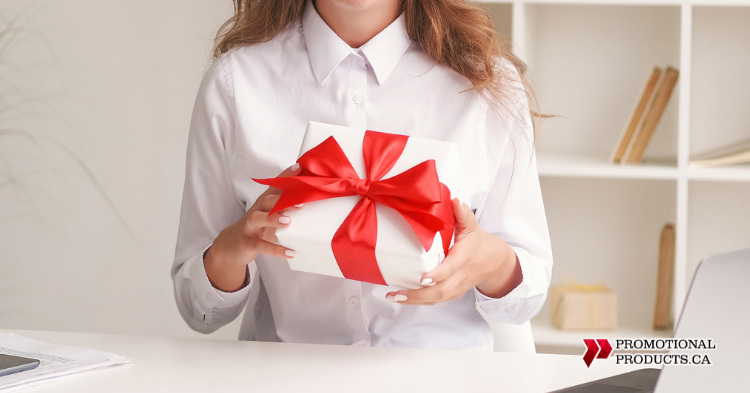
A thoughtfully selected promotional product shows that a business values both its brand and its audience. Instead of feeling like a generic giveaway, a practical item demonstrates care and consideration, helping establish a positive first impression that can last well beyond the initial encounter.
How Quality Shapes Brand Perception
The quality of a promotional item often reflects the quality customers expect from the business itself. Even before someone purchases a product or service, the promotional merchandise they receive can influence their expectations.
A durable notebook, premium pen, insulated tumbler, or well-made backpack communicates professionalism and reliability. Customers may associate these qualities with the business, making them more confident in its products or services.
In contrast, promotional items that wear out quickly or appear cheaply made may unintentionally create a negative impression. While cost is always a consideration, investing in quality merchandise often delivers greater long-term value because recipients are more likely to keep and use the item.
Choosing promotional products that represent the company’s standards helps reinforce a consistent and positive brand image.
Why Practical Promotional Items Stay Top of Mind
One reason promotional merchandise continues to influence brand perception is its practicality. Items that serve a useful purpose naturally become part of everyday routines, creating repeated opportunities for people to interact with the brand.
Common examples include:
Office Essentials
Notebooks, planners, pens, sticky notes, and desk accessories remain valuable because they are frequently used in professional environments. Every use reinforces familiarity with the business while keeping its branding visible throughout the workday.
Drinkware
Reusable water bottles, coffee mugs, and insulated tumblers accompany recipients to offices, gyms, meetings, and outdoor activities. These products provide long-term visibility because they are often used daily.
Technology Accessories
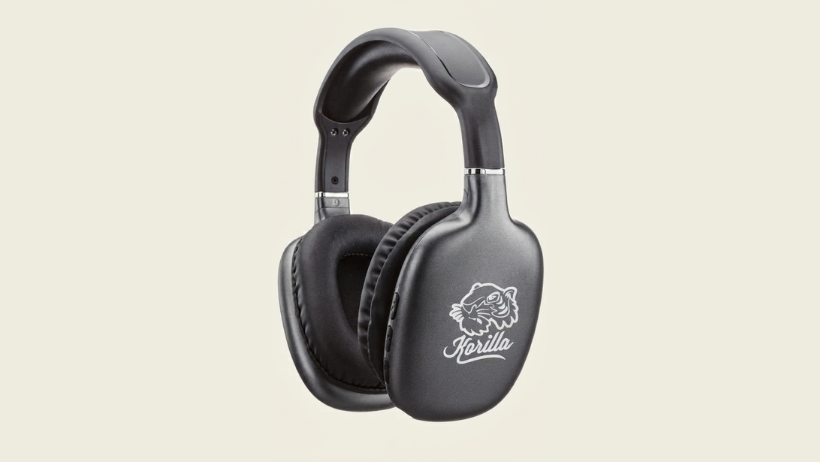
Wireless chargers, phone stands, USB hubs, and portable power banks reflect today’s work habits while providing practical solutions that customers appreciate.
Bags and Everyday Accessories
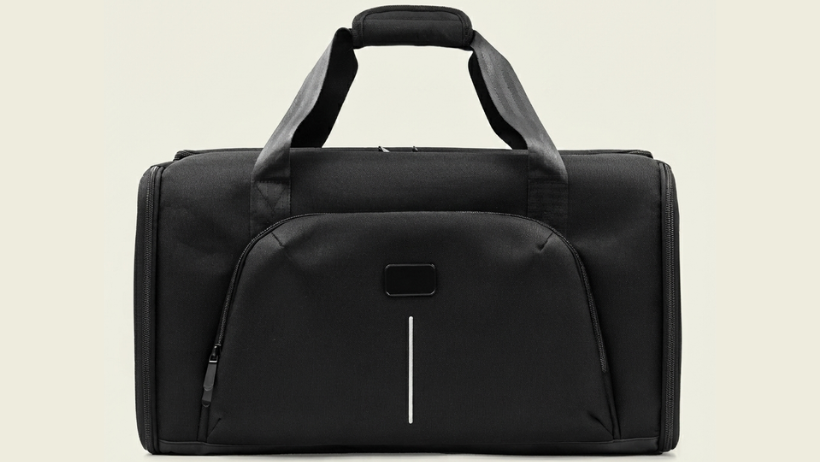
Tote bags, backpacks, laptop sleeves, and travel organizers travel with recipients to conferences, airports, shopping trips, and community events. Their portability increases the number of people who may see the company’s branding.
When recipients continue using promotional merchandise because it fits naturally into their daily lives, the brand remains visible without requiring additional marketing investment.
Brand Consistency Strengthens Recognition
A recognizable brand is built through consistency. Customers are more likely to remember a business when its visual identity remains uniform across every interaction, including promotional merchandise.
Logos, colours, typography, and messaging should complement the company’s existing branding. Maintaining this consistency creates a more professional appearance while making it easier for customers to recognize the business wherever they encounter it.
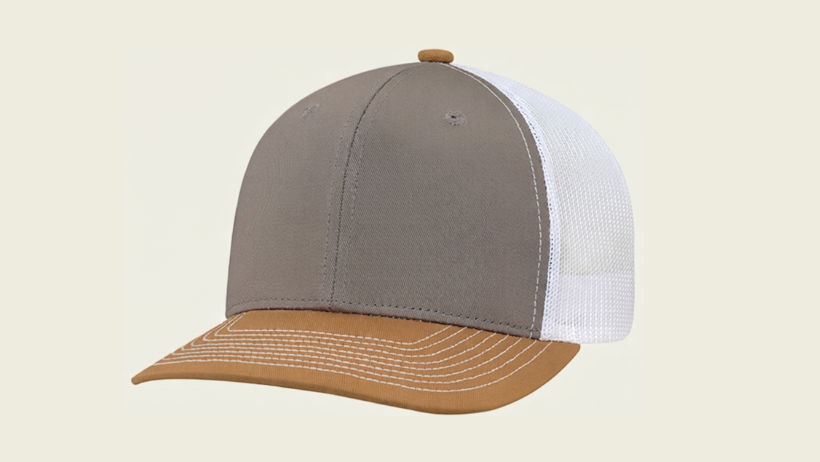
Consistency also applies to the products themselves. Businesses should select promotional items that reflect their industry, values, and target audience. For example, environmentally conscious organizations may prioritize reusable or sustainably sourced merchandise, while technology companies may focus on innovative digital accessories.
When every promotional item supports the same brand identity, customers develop stronger recognition and a clearer understanding of what the business represents.
How Business Promotional Items Encourage Customer Loyalty
Positive brand perception does more than help customers recognize a business. It also influences whether they choose to return, recommend the company to others, or remain loyal over time.
Thoughtfully selected business promotional items can strengthen customer relationships by showing appreciation and creating memorable experiences. A practical gift offered after a purchase, during a corporate event, or as part of a customer appreciation campaign demonstrates that the relationship extends beyond the transaction itself.
Businesses often use promotional merchandise to:
- Welcome new customers
- Recognize loyal clients
- Celebrate employee achievements
- Strengthen relationships with business partners
- Support networking events and conferences
- Enhance community outreach initiatives
These meaningful interactions help customers associate the business with positive experiences, making them more likely to remember the brand when future needs arise.
Common Mistakes That Can Hurt Brand Perception
Even the most well-intentioned promotional campaign can have the opposite effect if the products fail to reflect the company’s standards. Since promotional merchandise serves as an extension of the brand, every item distributed contributes to how customers perceive the business.
Avoiding these common mistakes helps businesses protect their reputation while maximizing the value of their promotional efforts.
Choosing Low-Quality Products
Customers often associate the quality of a promotional item with the quality of the company itself. Products that break easily, wear out quickly, or perform poorly can create an unfavorable impression, regardless of the business’s actual products or services.
Selecting durable, well-made merchandise demonstrates professionalism and encourages recipients to continue using the item for longer periods.
Prioritizing Quantity Over Value
Distributing large numbers of inexpensive products does not always produce better results. A smaller selection of practical, high-quality items often creates stronger and longer-lasting impressions than a large volume of products that recipients rarely use.
Businesses should focus on providing items that deliver genuine value rather than simply increasing distribution numbers.
Ignoring the Target Audience
Promotional items are most effective when they match the needs and interests of the intended audience. A product that appeals to corporate professionals may not be suitable for students, healthcare workers, or event attendees.
Understanding the audience helps businesses choose merchandise that recipients appreciate and use regularly, increasing the effectiveness of the campaign.
Inconsistent Branding
Promotional merchandise should reflect the same visual identity found across a company’s website, advertising materials, packaging, and social media channels.
Consistent logos, colours, messaging, and design elements reinforce recognition and help customers associate every interaction with the same trusted brand.
Choosing Promotional Items That Reflect Your Brand Values
Selecting promotional merchandise involves more than placing a logo on a product. Every item should support the image the business wants to communicate while aligning with its values and marketing objectives.
Several factors can guide better decision-making.
Focus on Practicality
Products that solve everyday needs tend to remain useful for longer periods, increasing the number of times customers interact with the brand. Practical items often provide greater marketing value because they naturally become part of daily routines.
Invest in Quality
Well-made promotional items communicate reliability and professionalism. Although higher-quality products may require a larger initial investment, they often remain in circulation longer and create more positive brand impressions.
Reflect Company Values
Businesses should select promotional items that represent who they are as an organization. For example, companies committed to environmental responsibility may choose reusable or sustainably sourced merchandise, while technology-focused organizations may prefer modern workplace accessories.
Maintain Brand Consistency
Every promotional item should reinforce the company’s identity through consistent colours, typography, messaging, and logo placement. Maintaining a cohesive visual identity helps customers recognize the brand more easily across different marketing channels.
Creating Long-Term Value Through Promotional Merchandise
The influence of promotional items extends far beyond the day they are distributed. When recipients continue using branded merchandise, businesses benefit from ongoing exposure without the recurring costs associated with many forms of advertising.
More importantly, these products contribute to stronger customer relationships by creating positive experiences that people remember. A practical promotional item can reinforce trust, encourage repeat interactions, and keep a business top of mind whenever future purchasing decisions arise.
Rather than viewing promotional merchandise as a short-term marketing expense, businesses can treat it as a long-term investment in customer relationships and brand perception. Thoughtfully selected items continue representing the company wherever they are used, helping create lasting impressions that support sustainable business growth.
Frequently Asked Questions
What are company promotional items?
Company promotional items are branded products that businesses distribute to customers, employees, and event attendees to increase brand awareness, strengthen relationships, and reinforce their brand identity.
How do promotional items influence brand perception?
Promotional items influence brand perception by creating positive, tangible experiences. High-quality, useful products help customers associate a business with professionalism, reliability, and attention to detail.
What types of promotional items are most effective?
Products that people use regularly, such as drinkware, notebooks, technology accessories, tote bags, and office supplies, tend to provide the greatest long-term marketing value because they keep a company’s branding visible.
Why is product quality important for promotional merchandise?
The quality of promotional merchandise often reflects how customers perceive the business itself. Durable, well-designed items create positive impressions, while poor-quality products may negatively affect brand perception.
How can businesses choose the right promotional items?
Businesses should consider their target audience, marketing objectives, product quality, practicality, and brand identity. Selecting useful items that align with company values helps create stronger customer experiences and lasting brand recognition.
Strengthening Your Brand Through Every Interaction
Customers develop opinions about a business through every experience they have with it, including the promotional merchandise they receive. The quality, usefulness, and presentation of company promotional items all contribute to how a brand is perceived over time.
Rather than serving as simple giveaways, business promotional items communicate professionalism, attention to detail, and a commitment to quality. Thoughtfully selected merchandise reinforces positive customer experiences while helping businesses build trust, credibility, and lasting brand recognition.
Promotional Products Canada
promotionalproducts.ca