Choosing promotional items is not just about placing a logo on a product. The right decision can influence how customers remember a brand, how often they interact with it, and how long that brand stays visible in their daily lives. Businesses that select promotional items intentionally often see stronger engagement than those that treat giveaways as an afterthought.
This guide explains how to choose marketing items that support real marketing outcomes, improve brand recall, and deliver lasting value.
Why Promotional Items Still Work in Modern Marketing
Physical branded products remain effective because they create tangible connections between a brand and its audience. Unlike digital ads that disappear quickly, these items stay in use for weeks, months, or even years.
This long usage cycle gives businesses repeated exposure without requiring ongoing ad spend. Every time a customer uses a branded product, the business gains another impression in a natural, non-intrusive way.
In practical terms, a single well-chosen item can generate hundreds of impressions over its lifetime. That repeated visibility is what makes physical marketing products a lasting part of many marketing strategies.
Start with the Purpose of Your Campaign
Every promotional item should serve a clear purpose. Without a defined goal, selection becomes random and less effective.
Common campaign goals include:
- Increasing brand awareness
- Supporting event engagement
- Strengthening customer relationships
- Encouraging repeat business
- Improving employee morale
- Generating new leads
Each goal influences the type of product you should choose. For example, trade shows benefit from lightweight, portable items, while client appreciation campaigns may require more premium selections.
When the purpose is clear, decision-making becomes more focused and effective.
Understand Your Audience Before Selecting Products
One of the most important steps in selecting marketing products is understanding who will receive them. An item that fits the audience’s daily habits is far more likely to be kept and used.
Ask these practical questions:
- What does the audience use daily?
- What problems can a useful item solve for them?
- What environment will they use it in?
- What would feel relevant to their profession or lifestyle?
For example:
- Office workers often value notebooks, pens, and desk accessories
- Travelers appreciate luggage tags and compact travel kits
- Fitness-focused audiences respond well to water bottles and gym bags
- Tech-savvy users engage more with charging accessories and phone stands
The more relevant the item, the higher the chance it becomes part of the user’s routine.
Focus on Usefulness Instead of Novelty
Many promotional campaigns fail because they prioritize creativity over practicality. While unique items can attract attention initially, useful items deliver long-term exposure.
High-performing marketing products usually include:
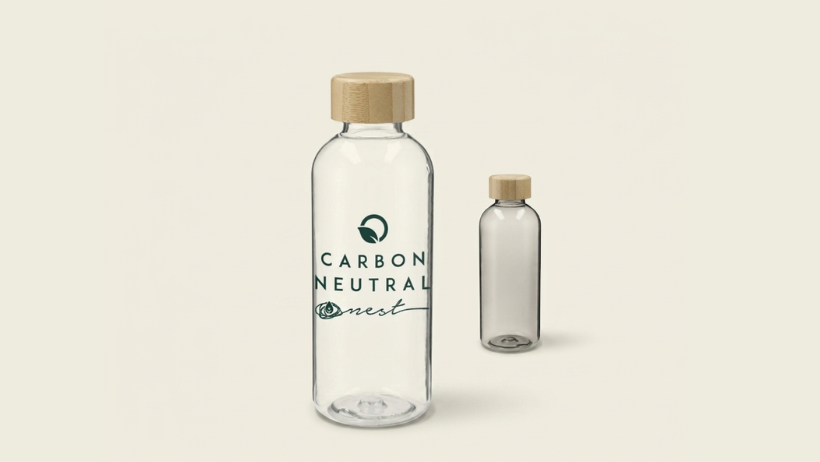
- Drinkware such as mugs and bottles
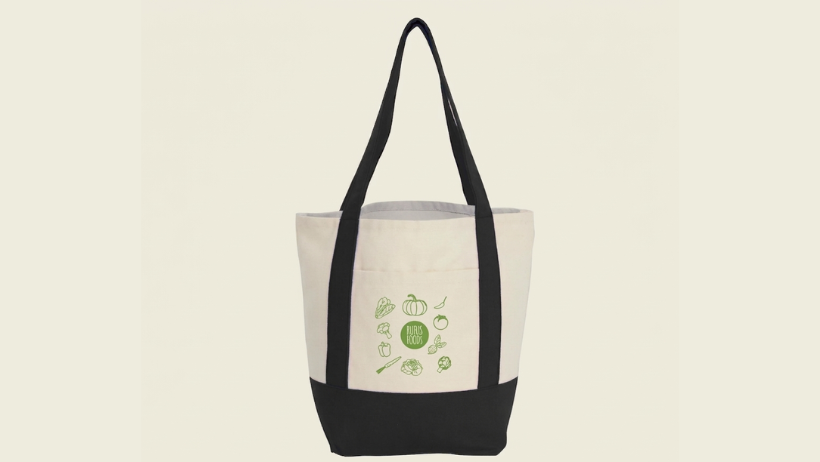
- Tote bags are used for daily errands or shopping
- Writing tools like pens and notebooks
- Tech accessories such as chargers and phone stands
- Apparel like shirts and caps
These items are not only practical but also frequently used, which keeps your brand visible in everyday situations.
A simple but useful product often performs better than a complex or novelty-based item that gets discarded quickly.

Quality Directly Affects Brand Perception
Every promotional item represents your business. If the product feels cheap or breaks easily, that perception transfers to your brand.
High-quality promotional products usually share the following traits:
- Durable materials that withstand regular use
- Clean and consistent branding application
- Functional design that works as intended
- Comfortable or convenient user experience
Even a simple item like a pen can create a strong impression if it feels reliable and smooth to use.
On the other hand, low-quality items may reduce trust, even if the marketing message is strong.
Prioritize Items that Fit Daily Routines
The most effective marketing products are those that naturally fit into a person’s everyday life. The more often an item is used, the more frequently the brand behind it is seen.
Examples of high-visibility usage include:
- A branded mug is used every morning at work
- A tote bag is carried during grocery trips
- A notebook used in meetings or classes
- A water bottle used throughout the day
Each of these creates repeated exposure without additional marketing cost.
This is why everyday utility is one of the strongest factors in product selection.
Consider Long-Term Cost Value Instead of Upfront Price
A common mistake in promotional planning is focusing only on the unit price. While budget is important, value should be measured over time.
A low-cost item that is discarded quickly provides minimal return. A slightly more expensive item that is used daily provides continuous exposure.
A better way to evaluate cost is:
- Cost per impression over time
- Average product lifespan
- Frequency of use
- Brand visibility duration
This approach often shows that better-made marketing products deliver stronger long-term results.
Align Products With Brand Identity
Promotional products should reflect the personality of your brand. A mismatch between product type and brand identity can reduce impact.
For example:
- A modern tech company may lean toward sleek gadgets and minimal designs
- An eco-conscious brand may prefer recycled or reusable products
- A family-oriented business may focus on practical household items
Consistency between brand message and product selection strengthens recognition and trust.
Avoid Common Selection Mistakes
Even well-planned campaigns can fail if common mistakes are not avoided.
These include:
- Choosing items based only on the lowest price
- Ignoring how the product will actually be used
- Selecting items that do not match the audience
- Overcomplicating the product design
- Failing to consider long-term durability
Avoiding these mistakes improves both engagement and brand perception.
Building a Consistent Promotional Strategy
Marketing products work best when it is part of a broader, ongoing strategy rather than one-time purchases. Businesses that use branded items consistently across events, onboarding, and campaigns tend to see stronger recall.
A consistent approach includes:
- Using similar branding across all items
- Choosing product categories aligned with brand values
- Refreshing item selections based on audience feedback
- Tracking which items perform best over time
This creates a more predictable and effective promotional system.
How This Service Supports Your Campaigns
Businesses have access to a wide range of high-quality promotional products designed for different industries and marketing goals. With a strong focus on practical and well-designed items, organizations can create meaningful brand exposure through products that people actually use.
Whether the goal is trade show visibility, corporate gifting, or event engagement, selecting the right product starts with understanding your audience and choosing items that fit their daily needs and habits.
FAQs
What are the most effective promotional items for businesses?
Items that are used regularly, such as drinkware, tote bags, pens, and tech accessories, tend to perform best because they create repeated brand exposure.
How do promotional items help marketing efforts?
They increase brand visibility by staying in use long after distribution, creating ongoing impressions without additional advertising costs.
What makes a promotional item successful?
Success comes from usefulness, quality, and relevance to the audience’s daily life and habits.
Are promotional products still effective in 2026?
Yes, they remain effective because physical items continue to offer long-term visibility that digital ads cannot maintain.
How do you select the right promotional product?
Start with your campaign goal, understand your audience, and prioritize usefulness and quality over novelty or low cost.
Smarter Choices That Stick
Choosing promotional items that drive results requires more than picking popular products. It involves understanding your audience, focusing on practical use, and selecting items that align with your brand and campaign goals. When done correctly, promotional products become long-lasting brand touchpoints that continue working long after distribution.
Access to high-quality promotional products makes it easier for businesses in Toronto and across Canada to create campaigns that feel relevant, useful, and memorable without relying on generic giveaways.
Promotional Products Canada
promotionalproducts.ca