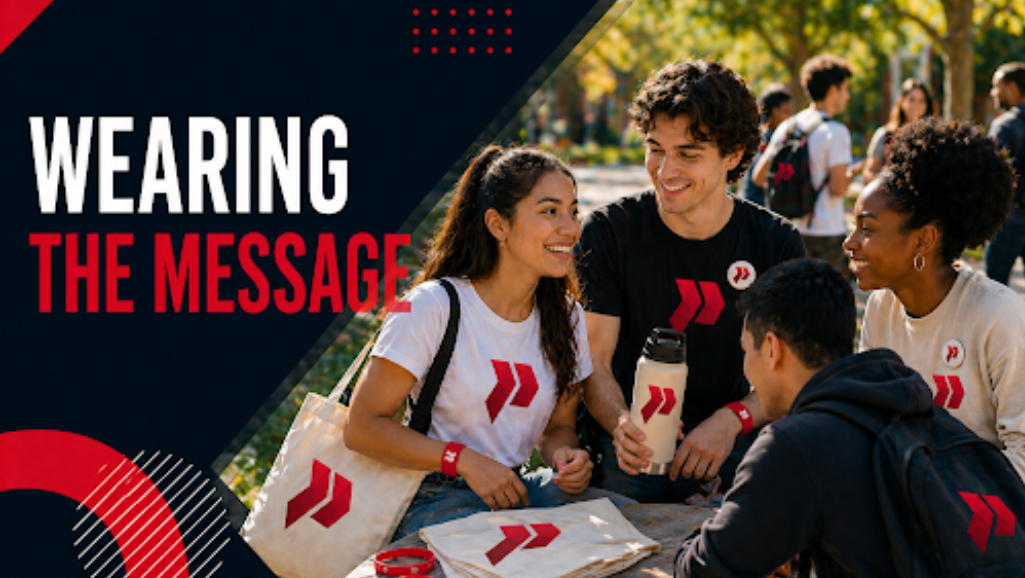
Promotional products have long been used for branding, sales events, and business marketing. Companies often give away custom pens, tote bags, mugs, shirts, and other branded items to keep their name visible and memorable.
However, in recent years, promotional products have taken on a deeper purpose. They are no longer used only to promote businesses. Today, they also help share important messages, support causes, and inspire social change.
For example, bracelets for mental health awareness, anti-bullying t-shirts, equality pins, and advocacy stickers are now common in schools, workplaces, nonprofits, and community events. These items do more than advertise. Instead, they turn everyday products into messages people can wear, use, and share.
A wristband can show support, while a shirt can start a meaningful conversation. In the same way, a sticker can encourage kindness, and a pin can help someone feel seen.
This is why promotional products have become so powerful in social awareness campaigns. They do not simply promote a logo. More importantly, they promote values, causes, and action.
In this article, we’ll explore how promotional merchandise became important for awareness campaigns, why it works, which products are most effective, and how organizations can use these items responsibly.
What Are Social Awareness Promotional Products?
Social awareness promotional products are custom items created to spread messages about causes, education, advocacy, and community support. Unlike traditional promotional products, these items are not focused only on selling or brand recognition. Instead, they help raise awareness for important social issues.
Common causes include:
- Mental health awareness
- Equality and inclusion
- Anti-bullying campaigns
- Breast cancer awareness
- Environmental responsibility
- Suicide prevention
- LGBTQ+ support
- Diversity initiatives
- Domestic violence awareness
- Veterans support
- Community kindness campaigns
- School safety awareness
These campaigns often use products such as:
- Silicone bracelets
- Awareness t-shirts
- Custom pins
- Stickers
- Tote bags
- Water bottles
- Lanyards
- Buttons
- Hats
- Magnets
- Posters and printed materials
The main strength of these products is visibility. After all, they bring important messages into everyday places where people live, work, study, and gather.
Why Promotional Products Work for Awareness Campaigns
Many organizations wonder why physical products still matter in a digital world. The answer is simple: tangible items can create emotional and social impact in ways digital ads often cannot.
They Are Visible in Real Life
A social media post may disappear in seconds. In contrast, a bracelet worn every day or a shirt worn in public can be seen again and again.
Every time someone wears an anti-bullying shirt or carries a mental health tote bag, the message reaches people in the real world. As a result, the campaign becomes part of daily life instead of a one-time impression.
They Build Community
Promotional products can also help people feel connected.
For instance, students wearing matching kindness bracelets during a school event may feel a stronger sense of unity. Likewise, employees wearing equality pins during Pride Month can show shared support.
As a result, these products can turn a cause into a visible community experience.
They Spark Conversations
A sticker on a laptop that says “End Bullying” or “Mental Health Matters” can invite questions and discussion.
Because of this, a simple product can become a conversation starter. Over time, these small conversations can help spread awareness and understanding.
They Normalize Important Issues
When awareness messages appear often in schools, offices, and public spaces, they help reduce stigma. In addition, they make important topics feel easier to discuss.
For example, seeing mental health messages regularly can remind people that asking for help is normal and acceptable.
They Last Longer Than Ads
Another key benefit is durability. A bracelet may be worn for months, while a pin may stay on a backpack for years. Meanwhile, a reusable tote can be carried every day.
Therefore, promotional awareness products often provide long-lasting value.
The Rise of Awareness Bracelets
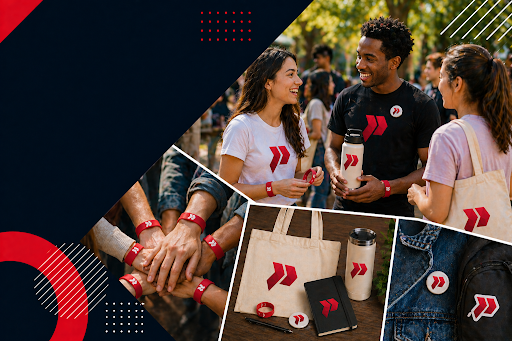
Few products represent cause marketing as clearly as silicone awareness bracelets.
These bracelets are simple, affordable, and easy to wear. Because of that, they became popular worldwide. They also combine personal identity with purpose.
Awareness bracelets work well because they are:
- Affordable to produce
- Easy to hand out in large numbers
- Comfortable for daily wear
- Highly visible
- Suitable for many audiences
- A clear symbol of support
Schools use bracelets for anti-bullying week. Nonprofits often use them for fundraising. Meanwhile, companies may use them for wellness and community campaigns.
Over time, bracelets have changed from basic accessories into signs of solidarity.
Awareness T-Shirts as Moving Billboards
Custom t-shirts are also among the most effective products for social campaigns. In many cases, they turn people into walking advocates for a cause.
Examples include:
- Mental health awareness shirts
- Equality campaign apparel
- School kindness week shirts
- Anti-hate campaign shirts
- Charity run event shirts
- Breast cancer awareness shirts
Unlike standard ads, awareness shirts often carry personal meaning. People choose to wear them because they believe in the message.
For this reason, the promotion feels more authentic and powerful.
Pins, Buttons, and Stickers: Small Products with Big Influence
Not every campaign needs apparel. In fact, smaller items can create strong visibility at a lower cost.
Custom Pins
Pins are subtle, professional, and easy to wear. Therefore, they are ideal for workplaces, schools, and events.
Examples include:
- Rainbow equality pins
- Mental health ribbon pins
- Diversity and inclusion pins
- Support ribbons for fundraising events
Pins allow people to show support in settings where full shirts may not be practical.
Buttons
Buttons are inexpensive and highly visible. Because of this, they work especially well at rallies, school events, fundraisers, and community campaigns.
Stickers
Stickers are especially popular with younger audiences. They can be placed on:
- Water bottles
- Laptops
- Notebooks
- Lockers
- Cars
As a result, awareness messages stay visible in daily life.
Mental Health Awareness Through Promotional Products
One of the most important modern uses of promotional merchandise is mental health advocacy.
For many years, people avoided talking about mental health because of stigma. Today, however, awareness campaigns use promotional products to make these conversations more open and supportive.
Examples include:
- “It’s Okay to Ask for Help” bracelets
- “Mental Health Matters” shirts
- Journals with calming messages
- Stress balls handed out at wellness fairs
- Resource cards paired with custom merchandise
- Office wellness kits
These products can help start conversations that people might otherwise avoid.
For example, a student wearing a mental health shirt may help another student feel less alone. Similarly, a workplace tumbler with a supportive message may remind employees that their well-being matters.
Equality and Inclusion Campaigns
Promotional products also play an important role in equality and inclusion campaigns.
Common items include:
- Pride-themed pins and lanyards
- Inclusion shirts
- Diversity celebration tote bags
- Ally stickers
- Equality wristbands
When businesses and institutions use these items sincerely, they can show visible support and create a stronger sense of belonging.
For employees, students, and community members, seeing inclusive messages can help create safer and more welcoming spaces.
Anti-Bullying Campaigns in Schools
Schools are among the most effective users of awareness merchandise.
Anti-bullying campaigns often depend on visible reminders that help shape school culture. For example, schools may use:
- Kindness bracelets for students
- “Choose Respect” shirts for staff
- Sticker rewards for inclusive behavior
- Classroom posters paired with giveaways
- Event day pins and lanyards
These products help reinforce positive values every day, not just during assemblies.
Because students often connect with symbols and shared identity, merchandise can make anti-bullying messages more relatable.
Why These Products Go Beyond Traditional Advertising
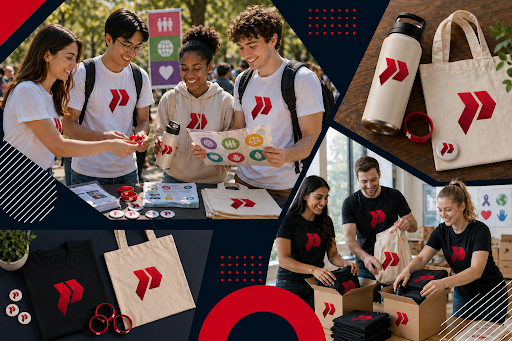
Traditional advertising usually asks people to buy something. Awareness merchandise, however, asks people to support something meaningful.
Instead of messages like:
- Buy now
- Limited offer
- New product available
The message becomes:
- Be kind
- Support others
- End stigma
- Choose inclusion
- Stand together
This emotional purpose makes awareness products more memorable than many standard ads.
People do not simply receive these products. Instead, they often identify with them.
How Businesses Use Promotional Products for Social Good
Many companies now include cause-based promotional products in their social responsibility efforts.
Employee Awareness Campaigns
Businesses may distribute shirts, pins, or desk items during:
- Mental Health Awareness Month
- Pride Month
- Anti-bullying initiatives
- Volunteer days
- Diversity events
As a result, employees see that the company is willing to support causes in a visible way.
Customer Giveaways
Retailers may give customers awareness tote bags, bracelets, or stickers connected to charitable donations.
In addition, these giveaways can encourage customers to learn more about the cause.
Fundraising Merchandise
Organizations may sell branded products and donate the proceeds to nonprofits.
This approach can raise money while also spreading the campaign message.
Event Sponsorship
Companies can also sponsor walks, races, and awareness events by providing custom merchandise.
When done honestly, these efforts can strengthen both community impact and brand reputation.
Benefits of Awareness Merchandise for Organizations
Many brands search for custom awareness products, promotional items for nonprofits, and cause marketing merchandise. Therefore, organizations that offer these products can benefit from both online and offline visibility.
Possible benefits include:
- Greater brand goodwill
- More social media shares
- Better event attendance
- Positive public relations
- Stronger employee engagement
- Increased customer loyalty
In general, people are more likely to engage with brands that support causes in a thoughtful and genuine way.
How to Use Social Awareness Promotional Products Responsibly
Cause marketing must be handled with care. Otherwise, it can seem performative or insincere.
1. Support Real Action, Not Just Products
A bracelet alone is not enough. Instead, pair merchandise with real action, such as:
- Donations
- Education
- Volunteer programs
- Helpful resources
- Partnerships with nonprofits
2. Use Authentic Messaging
Avoid shallow slogans. Instead, use clear, respectful, and meaningful language.
3. Choose Quality Products
Low-quality items that are quickly thrown away can weaken the message. For that reason, it is better to choose durable and useful products.
4. Include Affected Communities
Whenever possible, consult people or organizations connected to the cause. After all, their voices should guide the message.
5. Be Consistent Year-Round
Do not support important issues only when they are trending. Long-term commitment builds trust.
Common Mistakes to Avoid
Cause-Washing
Cause-washing happens when an organization publicly supports a cause but does not take meaningful action behind the scenes.
Overbranding the Message
The cause should come first. Your logo can support the message, but it should not dominate it.
Using Harmful or Simplistic Language
Important issues require care. Therefore, messaging should be reviewed for respect, accuracy, and sensitivity.
Poor Product Quality
Low-quality products can make a campaign feel less sincere. In some cases, they may even make the message feel less important.
One-Day Commitment
A single event can help, but real impact requires consistent support over time.
How Promotional Products Influence Society
Some people underestimate how small products can shape culture. However, symbols matter deeply in human behavior.
For example, a bracelet can remind someone that they are not alone. A pin can signal safety, while a shirt can unite hundreds of people. Even a small sticker can spread daily positivity.
When many people carry the same compassionate message, social norms can begin to shift.
That is how small products can create large cultural impact.
Examples of High-Impact Awareness Product Ideas
Organizations planning awareness campaigns can choose products based on the cause, audience, and setting. Different goals often call for different types of merchandise.
Mental Health Campaigns
Helpful product ideas include journals, silicone bracelets, reusable water bottles with supportive messages, stress relief kits, and resource cards.
Equality and Inclusion Campaigns
For these campaigns, organizations may use pins, tote bags, lanyards, shirts, desk flags, and ally stickers.
Anti-Bullying Campaigns
Schools can use stickers, bracelets, kindness-themed shirts, pencil packs, and classroom giveaways to reinforce positive behavior.
Environmental Causes
Eco-focused campaigns often work well with reusable bottles, recycled notebooks, seed paper products, and eco tote bags.
Community Kindness Campaigns
Buttons, magnets, coffee mugs, thank-you cards, and small appreciation gifts can help spread simple but meaningful messages.
How Small Organizations Can Use Awareness Products on a Budget
A large budget is not required to make an impact. In many cases, a clear message and consistent effort matter more than cost.
Affordable ideas include:
- Stickers for events
- Buttons for volunteers
- Silicone bracelets for schools
- Tote bags for donors
- Low-cost pins for campaigns
Even small items can be effective when they are tied to a meaningful purpose.
The Future of Social Awareness Promotional Products
Awareness campaigns will continue to evolve. As audiences look for more authenticity, meaningful merchandise will likely become even more important.
Future trends may include:
- Sustainable cause merchandise
- QR-enabled products that link to resources
- Personalized campaign products
- Limited-edition fundraiser collections
- Employee wellness kits
- Inclusive designs for broader communities
As a result, organizations will need to focus on products that are useful, thoughtful, and connected to real action.
Final Thoughts
Promotional products have become much more than marketing tools. Today, they help shape conversations, support communities, and amplify causes that matter.
For instance, a bracelet can raise awareness for mental health, while a shirt can challenge bullying. Likewise, a pin can promote inclusion, and a sticker can spread hope.
These products work because they go beyond traditional advertising. They do not just ask people to notice a brand. Instead, they invite people to stand for something.
For nonprofits, schools, businesses, and communities, social awareness promotional products offer a powerful way to combine visibility with purpose.
When they are created thoughtfully, distributed responsibly, and supported by real action, they can inspire empathy, reduce stigma, and encourage progress.
Sometimes, the smallest products carry the biggest messages.