Sustainability in promotional products isn’t about chasing the latest green trend or finding a single “perfect” product. It’s about creating a thoughtful, repeatable strategy that balances environmental responsibility with real marketing impact.
Brands that succeed with eco-friendly promotional products understand one key truth:
The most sustainable product is the one people actually use.
Below is a deeper look at the three core steps to building a sustainable promotional product strategy that lasts—along with practical guidance you can apply year after year.
Step 1: Choose Products Aligned With Your Audience’s Lifestyle
The foundation of any sustainable strategy is relevance. A product that doesn’t fit into your audience’s daily life—no matter how eco-friendly—will likely end up unused or discarded.
Start With Audience Behavior, Not Materials
Before selecting a product, consider:
- Where does your audience spend most of their time—office, home, travel, outdoors?
- Are they commuters, remote workers, students, parents, or event attendees?
- What items do they already carry, use, or replace frequently?
For example:
- Commuters and office workers benefit from reusable drinkware and desk accessories
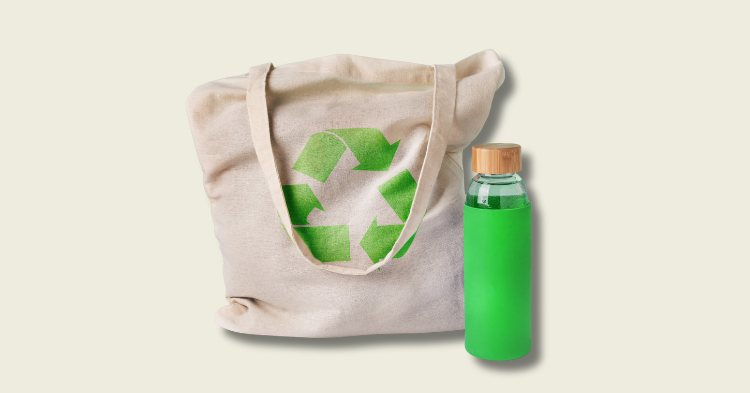
- Students and event attendees gravitate toward tote bags and backpacks
- Health- and wellness-focused audiences appreciate food storage and utensils
Why Lifestyle Alignment Matters for Sustainability
When a product fits naturally into someone’s routine:
- It’s used more often
- It stays in circulation longer
- It replaces disposable alternatives
That extended lifespan is where sustainability and marketing overlap. Every additional use reduces waste and increases brand impressions.
Pro tip: If you’re unsure whether a product fits your audience, ask one simple question—Would I personally keep this?
Step 2: Prioritize Durability, Usefulness, and Transparency
Once you’ve identified the right type of product, the next step is ensuring it’s built to last and easy to understand.
Durability Is a Sustainability Multiplier
Low-quality promotional products undermine sustainability goals. A reusable item that breaks quickly often creates more waste than a disposable alternative.
Durable products:
- Extend product lifespan
- Improve brand perception
- Deliver better long-term ROI
Spending slightly more upfront often results in fewer replacements, stronger brand recall, and a better overall environmental outcome.
Usefulness Drives Retention
The most effective eco-friendly swag solves a small, everyday problem:
- Staying hydrated
- Carrying items hands-free
- Organizing a workspace
- Reducing single-use packaging
If a product provides ongoing value, recipients won’t see it as “promo”—they’ll see it as useful.
Be Transparent About Materials and Sourcing
Modern audiences value honesty over perfection. Transparency helps you:
- Build trust
- Avoid greenwashing
- Set realistic expectations
Instead of vague claims, clearly communicate:
- What materials are used
- Whether items are recycled, renewable, or reusable
- What makes the product a better choice than a conventional alternative
It’s okay to acknowledge limitations. Transparency signals integrity—and integrity strengthens your brand.
Step 3: Support Your Swag With Education, Storytelling, and Review
Even the best eco-friendly product can fall flat if the sustainability story isn’t told.
Educate Your Audience
Education doesn’t need to be complicated. Simple tools make a big difference:
- Hangtags explaining materials or impact
- Packaging inserts with quick sustainability facts
- QR codes linking to a sustainability page
When people understand why a product is eco-friendly, they value it more—and they’re more likely to share it.
Use Storytelling to Add Meaning
Sustainable swag works best when it’s connected to a larger narrative:
- A company-wide sustainability initiative
- An annual environmental goal
- A milestone or campaign theme
Storytelling turns promotional products into brand touchpoints, not just giveaways. It gives your audience something to remember—and talk about.
Train Teams to Reinforce the Message
Sales, marketing, and event teams should know:
- What makes the product sustainable
- How it aligns with brand values
- How to explain it in plain language
When your team can confidently communicate the story, your swag becomes a conversation starter.
Review and Improve Every Year
Sustainability is not static. Materials improve, suppliers change, and expectations evolve.
At least once a year, review:
- Which products performed best
- What feedback you received
- Where you can improve materials, quality, or messaging
Small, consistent improvements compound over time.

Sustainability Is About Progress, Not Perfection
Eco-friendly promotional products aren’t about doing everything right immediately. They’re about making better choices consistently—choices that respect your audience, your brand, and the environment.
By:
- Choosing products that fit real lifestyles
- Prioritizing durability, usefulness, and transparency
- Supporting your swag with education and storytelling
You create a sustainable promotional product strategy that delivers impact far beyond the initial giveaway.
That’s not just good marketing—it’s smart, responsible branding.