Business promotional items help Canadian companies strengthen visibility, build engagement, and support long-term brand recognition. When used with clear intent, these tools become more than simple giveaways. They turn into consistent brand touchpoints that stay with customers long after an initial interaction.
They also play an important role in shaping how people remember a business. A well-chosen item can create repeated exposure in everyday settings such as offices, homes, or events. Over time, this repeated visibility helps reinforce trust and familiarity with the brand.
For many Canadian companies, these materials are not just part of marketing campaigns. They are practical tools that support customer relationships, improve recall, and add value to both new and existing business connections.
What Are Business Promotional Items?
Business promotional items are branded products used by companies to increase awareness, attract customers, and strengthen relationships. These items are distributed during marketing campaigns, events, and corporate programs.
They are often referred to as promotional materials, especially when used across broader marketing strategies rather than individual product campaigns.
Common examples include:
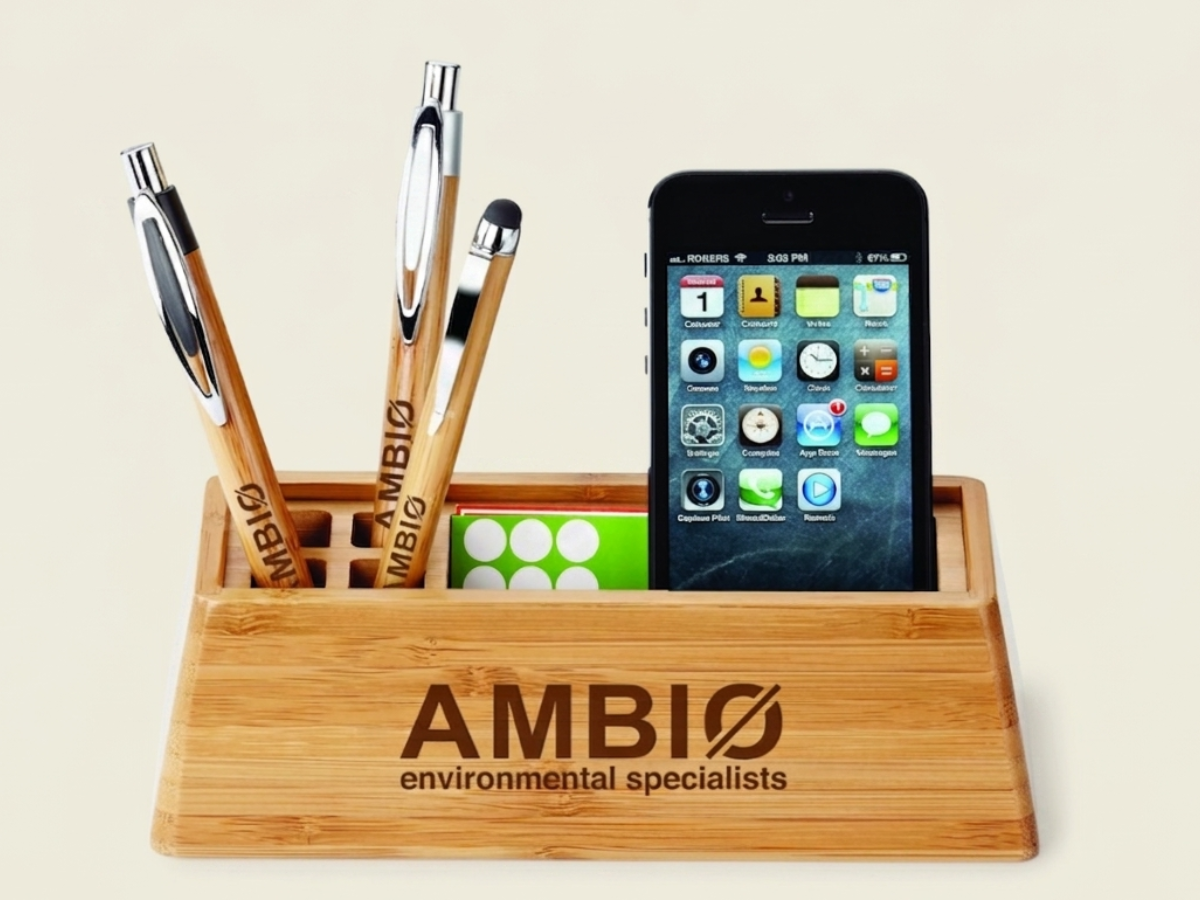
- Branded pens and notebooks
- Tote bags and reusable bottles
- Apparel such as shirts and hoodies
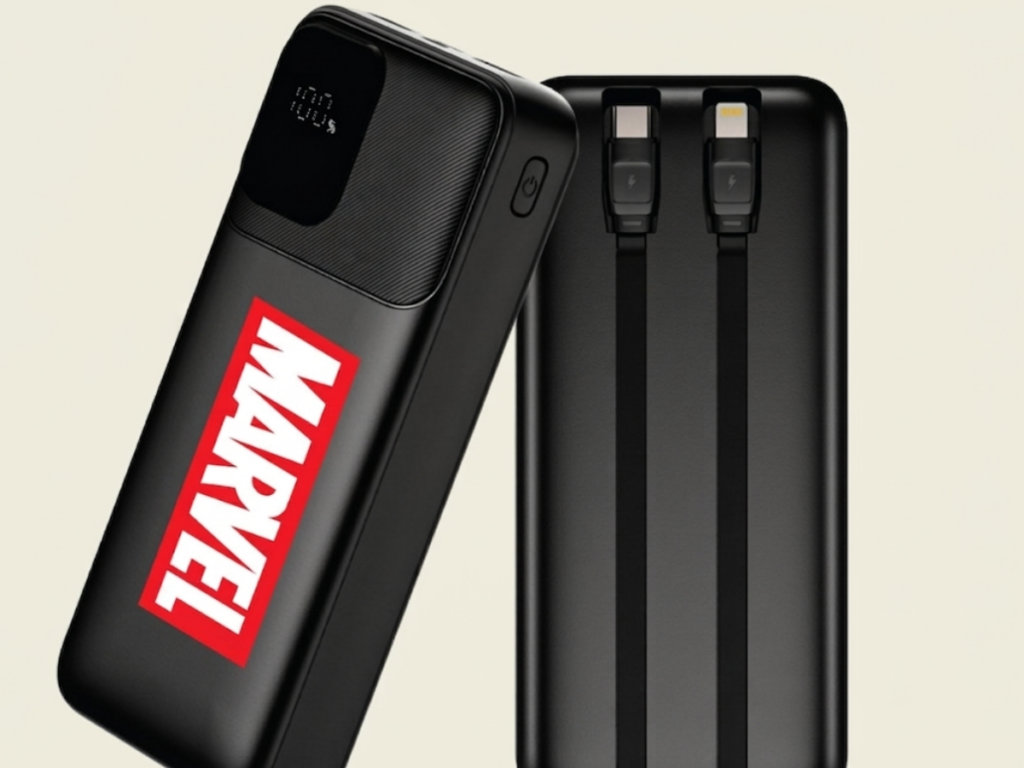
- Tech accessories like USB drives
- Event giveaways and welcome kits
These items are effective because they combine branding with practical use. Instead of being ignored or quickly forgotten like many digital ads, they stay in circulation through everyday use. Each time someone uses or sees the item, it reinforces the brand in a subtle and consistent way.
For many businesses, this makes promotional items a practical marketing tool. They create ongoing visibility without requiring repeated advertising, helping companies stay present in their audience’s minds over time.
Value of Promotional Materials
Promotional materials remain effective because they create repeated exposure without ongoing advertising costs. Unlike digital ads that disappear quickly, physical branded items are used for months or even years.
This creates a unique advantage for businesses trying to build long-term recognition in competitive markets.
Key advantages include:
- Continuous brand visibility
- Repeated customer exposure
- Stronger brand recall
- Cost-efficient marketing impressions
- Tangible brand interaction
In Canada, where businesses compete across both digital and physical channels, promotional materials help maintain consistent visibility in everyday environments such as offices, events, and retail spaces.
Types of Business Promotional Items That Deliver Results
Not all promotional items perform the same way. The most effective choices depend on usage frequency, audience relevance, and branding strategy.
Everyday Utility Items
These items are highly effective because they are used repeatedly:
- Water bottles
- Tote bags
- Pens and stationery
Their strength lies in daily visibility. Each use reinforces the brand without additional cost.
Corporate Promotional Items
These are designed to strengthen professional relationships:
- Premium gift sets
- Branded apparel
- High-quality notebooks
They are commonly used in client appreciation programs or executive gifting.
Event Promotional Materials
Events remain one of the strongest channels for branded distribution:
- Lanyards
- Flyers and brochures
- Trade show giveaways
These items help attract attention and start conversations during networking events.
Employee Branding Kits
Internal branding is becoming more important for company culture:
- Onboarding kits
- Desk accessories
- Company apparel
These materials help employees feel connected to the brand from day one.
How Businesses Use Promotional Items Strategically
Successful companies use promotional items with a clear intent rather than random distribution. Each item is tied to a specific marketing or business objective.
Brand Awareness Campaigns
Promotional items distributed at events or public activations help increase visibility and attract attention in crowded markets.
Customer Retention Programs
Small branded gifts help strengthen relationships and encourage repeat business over time.
Lead Generation Events
Trade shows and conferences use promotional materials to create engagement opportunities with potential clients.
Employee Engagement Programs
Internal branding improves workplace culture and reinforces company identity among staff.
Each approach ensures promotional items contribute directly to measurable business goals.
Promotional Products in Canada
In Canadian business hubs such as Toronto, promotional items are widely used across industries, including retail, corporate services, real estate, and technology.
Demand often focuses on practical, reusable, and professionally branded items that reflect long-term value rather than short-term marketing noise.
Businesses in Canada increasingly prefer items that:
- Are reusable in daily life
- Reflect sustainability values
- Offer functional value
- Support long-term brand recall
This reflects a broader shift in marketing toward utility-driven branding rather than disposable promotional strategies.
What Makes Promotional Items Effective in Modern Marketing
The effectiveness of promotional items depends on how well they align with audience behavior and brand positioning.
1. Practical usefulness
Items that solve everyday problems are more likely to be kept and used.
2. Quality over quantity
High-quality items create a stronger brand impression than large volumes of low-value giveaways.
3. Subtle branding
Overly aggressive branding can reduce usability. Modern campaigns favor clean, minimal designs.
4. Personal relevance
Items that align with audience interests or industry context perform significantly better.
Common Mistakes Businesses Make
Even strong marketing campaigns can underperform when promotional items are poorly planned.
Choosing low-quality products
Items that break or feel cheap reduce brand credibility.
Lack of audience alignment
Generic items often fail because they do not match user needs.
Overbranding
Too much logo placement reduces everyday usability.
No campaign strategy
Promotional items work best when tied to a specific goal, such as awareness or retention.
FAQs
What are business promotional items used for?
They are used to increase brand visibility, support marketing campaigns, and build stronger relationships with customers.
Do promotional materials still work in modern marketing?
Yes. Physical promotional materials continue to provide long-term exposure and brand recall.
What are the most effective promotional items?
Items used daily, such as bottles, bags, and notebooks, provide the strongest long-term visibility.
How do companies choose promotional items?
Selection is based on audience, campaign goals, budget, and branding strategy.
Are promotional items expensive for small businesses?
No. Many cost-effective options exist, especially for bulk orders and simple branded materials.
Keeping Your Brand Visible
Business promotional items remain one of the most practical marketing tools for Canadian companies. When used as part of a structured branding strategy, promotional materials help build visibility, strengthen customer relationships, and support long-term marketing success.
With the right approach, businesses can create branded experiences that stay relevant beyond a single campaign. From everyday workplace items to event giveaways and client-focused merchandise, these materials continue to support consistent brand recognition across different industries in Canada.
Promotional Products Canada
promotionalproducts.ca