Sustainability has become a staple in modern marketing—but let’s be honest, not all eco-friendly promotional products leave a lasting impression. Too often, they feel predictable: the same plain tote bags, bamboo utensils, or recycled notebooks with little thought behind the design.
In 2026, that’s no longer enough.
Today’s audiences expect more than just “eco-friendly”—they want products that are thoughtful, well-designed, and genuinely useful. The challenge for brands isn’t just going green—it’s standing out while doing it.
Here’s how to choose eco-friendly promotional products that feel intentional, elevated, and anything but generic.
1. Start with Story-Driven Products
The difference between a generic item and a memorable one often comes down to the story behind it.
Modern consumers care about:
- Where materials come from
- Who made the product
- What impact it has on the environment
Ideas that stand out:
- Upcycled materials with a clear origin story (e.g., fabric made from recycled plastic bottles)
- Products that support local communities or artisans
- Items with traceable supply chains
How to elevate it:
Include a small card or tag that explains the product’s journey. When people understand the story, the product becomes more meaningful—and more memorable.
2. Prioritize Design, Not Just Materials
Eco-friendly shouldn’t mean boring.
One of the biggest mistakes brands make is focusing so much on sustainability that they forget about aesthetics. If a product doesn’t look good, people won’t use it—no matter how eco-conscious it is.
How to avoid the “generic” trap:
- Choose modern color palettes and clean typography
- Opt for minimalist, lifestyle-focused designs
- Collaborate with designers or artists for unique visuals
Better approach:
Create something people would choose to carry, not just something they feel obligated to use.
3. Choose Products with Everyday Utility
The most sustainable product is the one that gets used repeatedly.
Eco-friendly promotional items should seamlessly fit into daily life. If they sit in a drawer, they’re not helping your brand—or the planet.
High-impact product ideas:
- Reusable drinkware (bottles, tumblers, coffee cups)
- Durable tote bags with thoughtful compartments
- Multi-use pouches or organizers
- Refillable notebooks or planners
Why it works:
Frequent use = more brand exposure + reduced waste.
4. Think Beyond the Usual Categories
If everyone is giving away the same eco-friendly items, your brand blends in.
To stand out, explore less common product categories that still align with sustainability.
Fresh ideas:
- Plantable products (seed paper cards, grow kits)
- Repair kits (for clothing or small items) that promote longevity
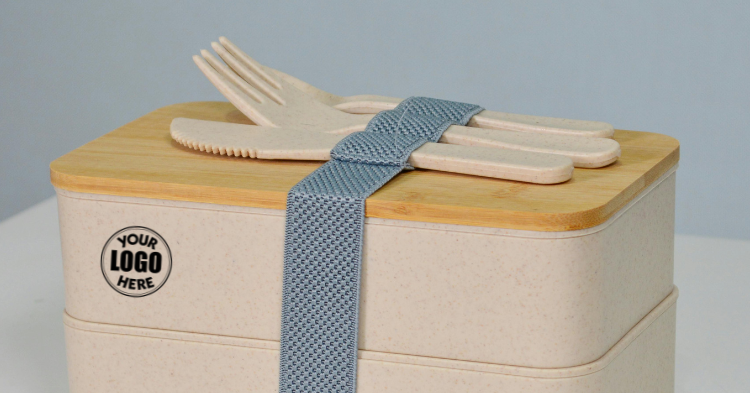
- Reusable food wraps or storage solutions
- Solar-powered gadgets or accessories
How to approach it:
Ask: What would surprise and delight my audience while still being useful?
5. Focus on Quality and Longevity
Eco-friendly messaging falls flat if the product doesn’t last.
A high-quality item that lasts for years is far more sustainable than a cheaper one that gets replaced quickly.
What to look for:
- Durable materials and construction
- Timeless design (not trend-dependent)
- Products that age well with use
Better approach:
Position your promotional product as something worth keeping—not something disposable.
6. Make It Feel Like a Gift, Not a Giveaway
Presentation matters more than most brands realize.
Even a simple eco-friendly product can feel premium with the right packaging and delivery.
Ways to elevate the experience:
- Use recyclable or reusable packaging
- Add a personalized note or message
- Bundle items into curated kits (e.g., “Sustainable Starter Pack”)
Why it works:
When something feels like a gift, people value it more—and use it longer.

7. Align with Your Brand Identity
Not every eco-friendly product fits every brand.
The most effective promotional items feel like a natural extension of your brand—not a random add-on.
Examples:
- A wellness brand offering reusable self-care kits
- A tech company choosing sleek, sustainable desk accessories
- A food brand using reusable kitchen or storage items
Key takeaway:
Relevance matters just as much as sustainability.
Final Thoughts
Eco-friendly promotional products are no longer just a trend—they’re an expectation. But standing out in this space requires more than checking the “sustainable” box.
To truly make an impact, your products need to be:
- Useful
- Well-designed
- Story-driven
- Built to last
When you combine sustainability with creativity and intention, your promotional products stop feeling generic—and start becoming something people genuinely value.
In 2026, the brands that win won’t just be eco-conscious. They’ll be unforgettable.