
Promotional products can be one of the most effective marketing tools—when they’re done right. But too often, businesses treat them as an afterthought: rushed orders, generic items, or giveaways that end up forgotten (or worse, thrown away).
The truth is, a poorly chosen promotional product doesn’t just waste budget—it can quietly damage how people perceive your brand.
If you want your swag to actually work, it starts with avoiding these common mistakes.
1. Choosing Price Over Value
It’s tempting to go for the cheapest option—especially when ordering in bulk. But low-cost often means low-quality, and that reflects directly on your brand.
A flimsy pen that breaks or a tote that tears after one use sends the wrong message.
How to avoid it:
- Focus on cost per impression, not just cost per item
- Invest in fewer, higher-quality products
- Test samples before committing to large orders
Better approach:
Instead of handing out 1,000 disposable items, give away 300 products people will actually keep and use.
2. Ignoring Your Target Audience
Not all promotional products work for all people. What appeals to a college student may not resonate with a corporate executive—and vice versa.
Generic giveaways often miss the mark because they’re not designed with a specific audience in mind.
How to avoid it:
- Define your audience clearly before choosing products
- Consider their lifestyle, needs, and preferences
- Ask: Will they actually use this?
Better approach:
Match the product to the context—fitness brands might choose gym essentials, while tech companies might opt for desk accessories.
3. Overbranding (or Poor Design)
Slapping a huge logo on a product doesn’t make it effective—it often makes it unusable. People don’t want to feel like walking advertisements.
Bad design can turn even a great product into something people avoid using.
How to avoid it:
- Keep branding subtle and aesthetically pleasing
- Prioritize good design over logo size
- Use colors and layouts that align with your brand identity
Better approach:
Create something people would buy on their own—your logo should feel like part of the design, not the entire design.
4. Treating Promotional Products as One-Off Giveaways
Many businesses hand out promotional products once and move on. But the real power of swag comes from consistency and integration into a broader strategy.
When used in isolation, even great products can underperform.
How to avoid it:
- Tie promotional products into larger campaigns
- Use them across multiple touchpoints (events, onboarding, client gifts)
- Align them with specific marketing goals
Better approach:
Think of promotional products as part of a system—not a single tactic.
5. Forgetting About Practicality
If a product isn’t useful, it won’t be used. And if it’s not used, it won’t be seen.
Novelty items might seem fun in the moment, but they rarely deliver long-term value.
How to avoid it:
- Prioritize everyday usability
- Choose items that solve a real need
- Avoid overly niche or gimmicky products
Better approach:
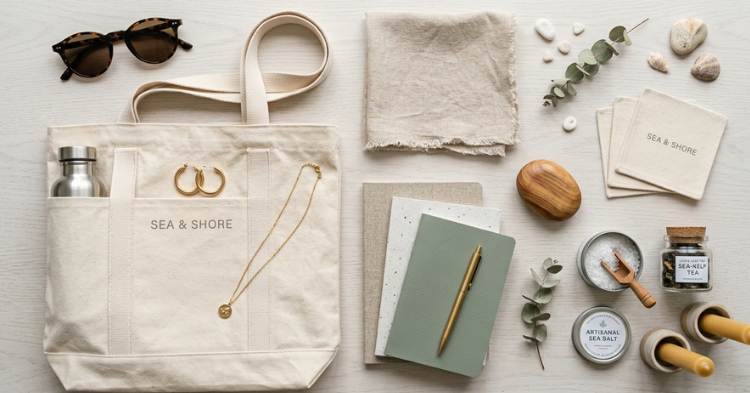
Focus on items people naturally incorporate into their daily routines—like bags, drinkware, or office essentials.
Final Thoughts
Promotional products aren’t just about putting your logo on something—they’re about creating a lasting connection between your brand and your audience.
When done right, they:
- Increase brand visibility
- Build positive associations
- Deliver long-term marketing value
But when done poorly, they become wasted budget and missed opportunity.
The difference comes down to intention. Choose products that are useful, well-designed, and aligned with your audience, and you’ll turn simple giveaways into powerful brand assets.