Step outside for a moment and notice what actually sticks with you. It’s not the tenth ad you scrolled past today—it’s the tote bag you keep reusing, the handwritten note tucked into a package, the event where a brand made you feel something real. In 2026, as digital fatigue reaches new heights, offline marketing is reclaiming its power—not as a fallback, but as a deliberate, human-centered strategy. The brands that win won’t be the loudest online; they’ll be the ones people can see, touch, and remember.
Here are five key offline marketing trends set to define the year ahead—and how businesses can leverage them using innovative promotional products.
1. Hyper-Personalized Promotional Products
Mass giveaways are fading. In their place? Thoughtful, highly personalized items that feel curated rather than commoditized.
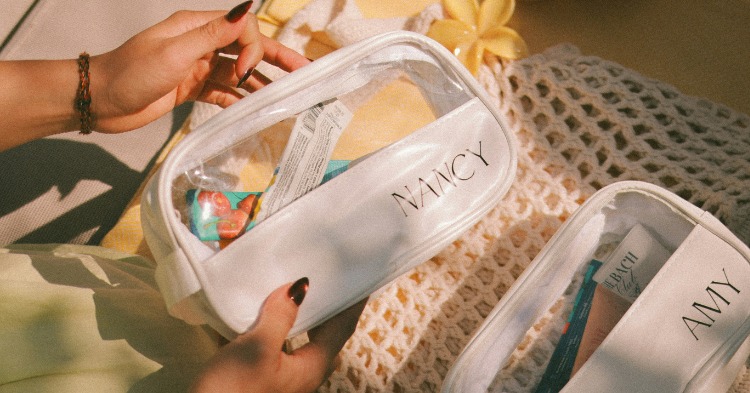
Thanks to advancements in data insights and on-demand production, brands can now tailor promotional products to specific audience segments—or even individuals. Think custom notebooks with a recipient’s name embossed, or curated welcome kits based on customer preferences.
How to use it:
Create tiered giveaways for different customer groups
Use QR codes on products to connect offline gifts to personalized digital experiences
Incorporate variable printing for names, locations, or interests
Why it works: Personalization transforms a freebie into a keepsake, increasing both retention and brand affinity.
2. Experiential Pop-Ups with Take-Home Value
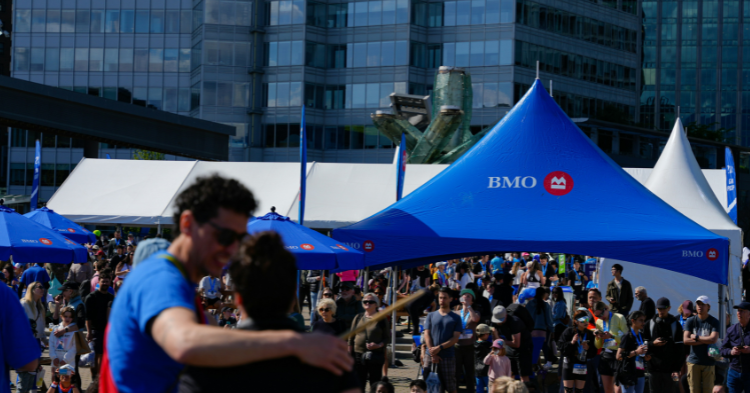
Pop-up events aren’t new—but in 2026, they’re becoming more immersive and product-driven. The focus is shifting from just “showing up” to creating memorable, multi-sensory brand experiences that extend beyond the event itself.
Promotional products play a crucial role here—not just as giveaways, but as part of the experience.
How to use it:
Design interactive stations where attendees customize their own merch
Offer limited-edition items only available at the event
Bundle products into “experience kits” tied to the pop-up theme
Example: A wellness brand might host a pop-up relaxation lounge where visitors leave with branded aromatherapy kits.
Why it works: Attendees don’t just remember the event—they take a piece of it home.
3. Sustainable Swag That Tells a Story
Sustainability is no longer optional—it’s expected. But in 2026, it’s not just about using eco-friendly materials; it’s about transparency and storytelling.
Consumers want to know where products come from, how they’re made, and why they matter.
How to use it:
Choose products made from recycled, upcycled, or biodegradable materials
Include story cards explaining the product’s origin or environmental impact
Partner with ethical suppliers and highlight those collaborations
Product ideas:
Recycled fabric tote bags
Seed paper notebooks
Reusable bamboo drinkware
Why it works: When a product aligns with a customer’s values, it becomes more than a marketing tool—it becomes a statement.

4. Hybrid Campaigns Bridging Offline and Digital
Offline marketing is no longer isolated—it’s integrated. In 2026, the most effective campaigns seamlessly connect physical products with digital experiences.
Promotional products are becoming gateways to online engagement.
How to use it:
Add NFC tags or QR codes to products for instant interaction
Use augmented reality (AR) triggers on packaging
Launch social media challenges tied to physical giveaways
Example: A branded T-shirt that unlocks exclusive content when scanned.
Why it works: It extends the life of a physical item and creates measurable engagement beyond the initial touchpoint.
5. Micro-Local Targeting and Community Engagement
Big, broad campaigns are giving way to smaller, community-focused initiatives. Brands are investing in local events, neighborhood activations, and grassroots marketing—supported by highly relevant promotional products.
How to use it:
Sponsor local events with customized merchandise specific to the community
Collaborate with local artists to design unique items
Distribute products that reflect local culture or needs
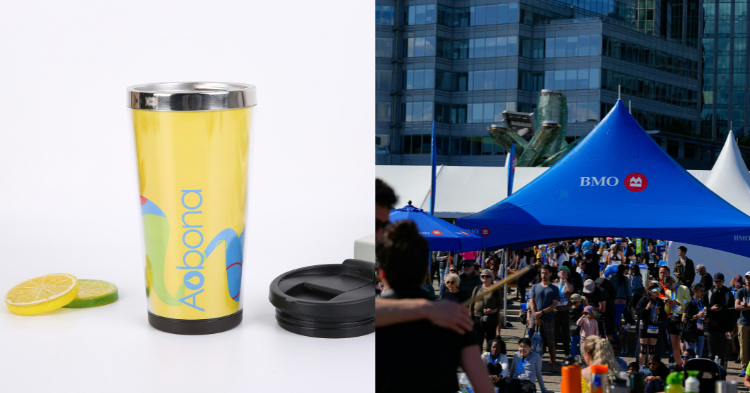
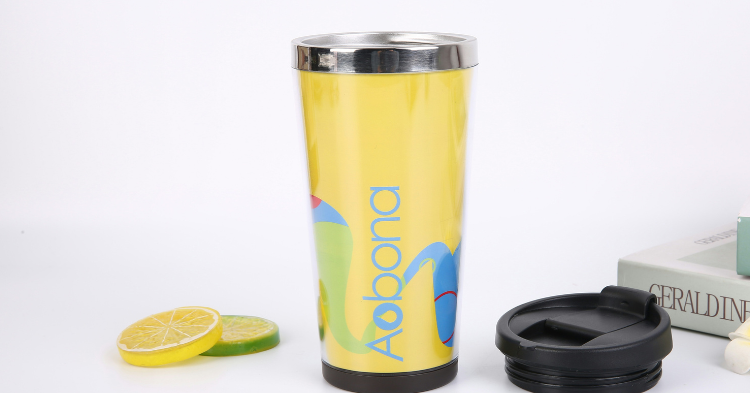
Example: A coffee brand partnering with a local festival to create city-themed reusable cups.
Why it works: մարդիկ trust brands that show up in their communities—and promotional products become symbols of that connection.
Final Thoughts
Offline marketing in 2026 is all about intention. It’s not about handing out more—it’s about giving better. The most successful brands will be those that combine creativity, personalization, and purpose with the tactile power of promotional products.
Whether it’s a thoughtfully designed giveaway, an immersive event, or a sustainable product with a story, offline marketing is proving that sometimes, the most impactful impressions are the ones you can actually hold.
If you’re planning your 2026 campaigns, now is the time to think beyond the ordinary. The future of offline marketing isn’t just physical—it’s unforgettable.