Promotional products still work—but not the way they used to.
In 2026, brands are moving away from bulk giveaways and shifting toward intentional, high-impact strategies that focus on value, experience, and long-term visibility.
The difference is simple:
It’s no longer about how many products you give away.
It’s about how well those products fit into your overall marketing strategy.
If you want your promotional products to actually drive results, these are the three strategies that will work in 2026.
1. The “Fewer, Better” Strategy
The biggest shift in promotional products is moving from quantity to quality.
Instead of handing out hundreds of low-cost items, brands are investing in fewer products—but making them significantly better.
What This Looks Like
- Higher-quality materials
- Cleaner, more intentional design
- Products people would actually choose for themselves
Examples:
- Premium insulated bottles instead of plastic ones
- Well-designed tote bags instead of generic giveaways
- Quality apparel people actually wear
READ: Top Promotional Product Trends for 2026 Trade Shows
Why It Works
People don’t keep things they don’t value.
When a product feels premium and useful, it stays in someone’s life longer—which means:
- More brand exposure
- Stronger brand perception
- Higher return on investment
One great product can outperform ten forgettable ones.
How to Apply It
- Cut your quantity—but increase your quality
- Choose items with daily use potential
- Prioritize design as much as the product itself
2. The Campaign-Integrated Strategy
Promotional products shouldn’t exist on their own.
The most effective brands in 2026 are integrating merch directly into their marketing campaigns.
What This Looks Like
Instead of random giveaways, products are tied to specific actions:
- Sign up → receive a branded item
- Attend an event → get a curated kit
- Book a demo → receive a follow-up product
Why It Works
This strategy turns promotional products into conversion tools, not just awareness tools.
It helps:
- Increase engagement rates
- Improve lead quality
- Strengthen campaign performance
You’re not just giving something away—you’re guiding behavior.
How to Apply It
- Tie every product to a specific goal
- Use merch as a reward for action
- Align products with campaign messaging
3. The Experience-Driven Strategy
In 2026, people don’t just want products—they want experiences.
That’s why the most effective promotional products are no longer standalone items—they’re part of something bigger.
What This Looks Like
- Curated kits instead of single items
- Themed packages for events or onboarding
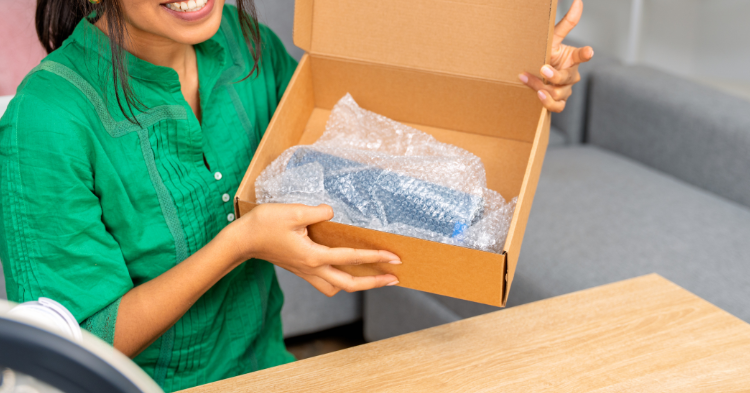
- Thoughtful unboxing experiences
Examples:
- Onboarding kits for new clients or employees
- Event kits with multiple branded items
- Seasonal gift boxes
Why It Works
Experiences are more memorable than individual products.
A curated kit:
- Feels more premium
- Creates a stronger emotional connection
- Increases perceived value
It turns a simple product into something people remember—and talk about.
How to Apply It
- Bundle complementary items together
- Design the full experience (not just the product)
- Focus on presentation and packaging
Quick Comparison: What Changed
| Old Approach | 2026 Strategy |
|---|---|
| More products | Better products |
| Random giveaways | Campaign-driven distribution |
| Single items | Curated experiences |
| Cheap and disposable | Useful and long-lasting |
Final Thoughts
Promotional products are not outdated—they’ve just evolved.
The brands seeing results in 2026 understand this:
- Quality beats quantity
- Strategy beats randomness
- Experience beats product alone
If you apply these three strategies, your promotional products won’t just be seen—they’ll actually work.