Canadian work culture has always been shaped by distance. Even before “hybrid” became a buzzword, teams were collaborating across provinces, time zones, and weather systems that don’t care about your meeting schedule. Today, that reality is the norm: a new hire might be onboarding from a condo in Toronto, a kitchen table in rural Manitoba, a coworking space in Vancouver, or a home office far north where shipping times come with a side of patience.
That’s exactly why onboarding kits are having a moment in Canada—and why the best ones aren’t just a box of branded stuff. They’re a practical welcome, a culture cue, and a “we’ve got you” message that lands the same way whether someone’s in a downtown tower or a northern community.
Done right, merch doesn’t feel like merch. It feels like belonging.
What a Canadian onboarding kit needs to do (beyond looking good)
In a hybrid environment, onboarding has two jobs:
- Make people feel included immediately—even from afar.
- Equip them to work comfortably and consistently from wherever they are.
That second part is where many kits miss the mark. A stylish item that’s impractical ends up unused. A kit built around how Canadians actually work—video calls, shared documents, shifting schedules, small spaces, different languages—gets used daily. And daily use is where branded products quietly build loyalty.
The Hybrid Essentials Kit: what to include (and why it works)
Here’s a tight, high-impact lineup that fits modern Canadian work life—remote, bilingual, multi-time-zone, and always moving.
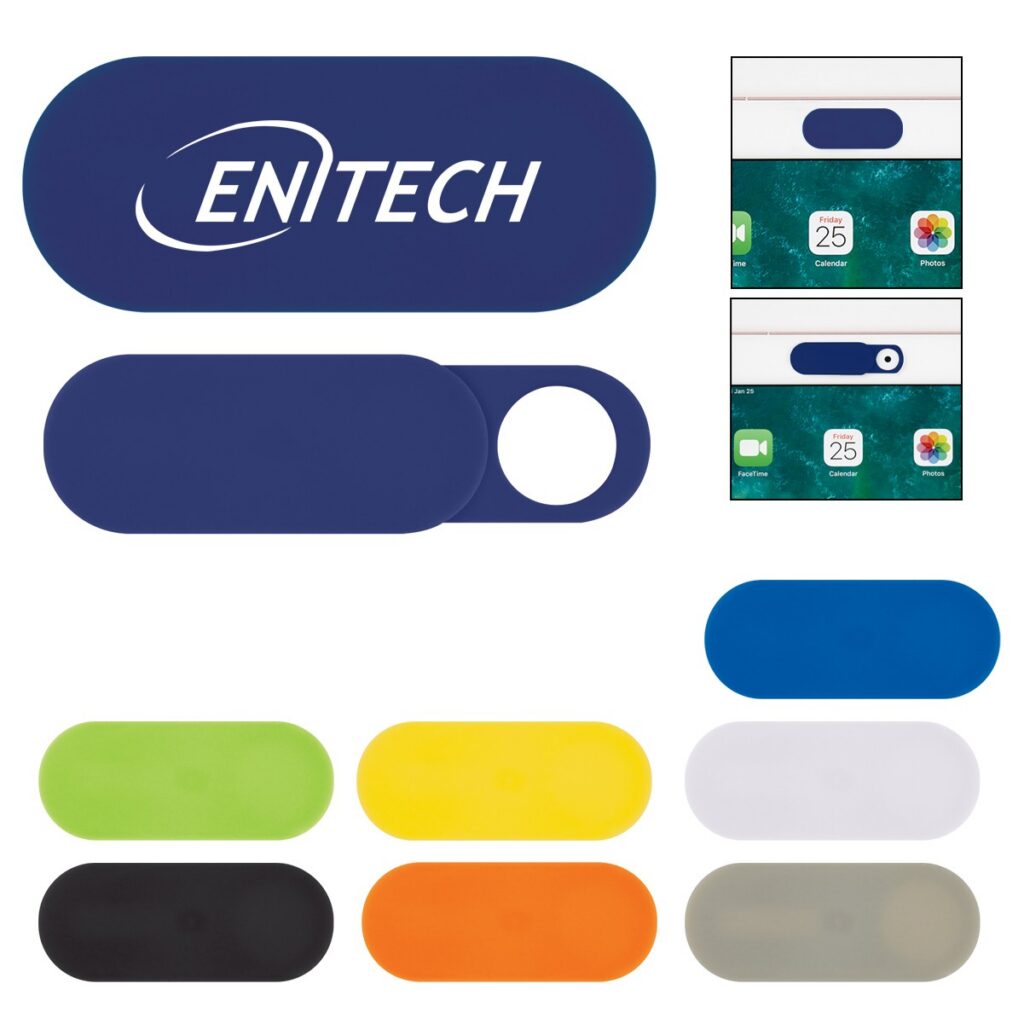
1) Webcam covers (privacy + professionalism)
A webcam cover is small, inexpensive, and instantly useful. It signals you respect privacy and security—important values in many Canadian workplaces, especially in regulated industries.
Why it belongs in the kit:
- Used daily (high brand impressions)
- Easy to ship
- Fits any role—sales, HR, dev, finance
Pro move: Pair it with a quick card that includes IT tips or “first-week essentials,” especially helpful for distributed onboarding.
2) Desk mats (a clean workspace, anywhere)
Hybrid work means “workspace” can be a kitchen counter one day and a shared desk the next. A desk mat gives people a consistent surface, a sense of order, and an upgrade in comfort—especially for laptop-heavy roles.
Why it belongs:
- Turns any spot into a work zone
- Makes remote setups feel “official”
- Big branding canvas without looking loud
Canadian-context win: It helps people carve out work boundaries at home—something many teams struggle with.
3) Quality notebooks (the underrated culture builder)
In Canada, where meetings often involve cross-team coordination and time-zone juggling, a good notebook still beats a dozen sticky notes. The trick is choosing one that feels premium—smooth paper, sturdy cover, thoughtful details.
Why it belongs:
- It gets used in real meetings (not just “new hire week”)
- It signals you invest in the experience, not just the logo
- It works equally well for onsite and remote employees
Bilingual-friendly idea: Add a simple, bilingual first page (e.g., “Welcome / Bienvenue”) or a QR code that links to onboarding resources in both languages.
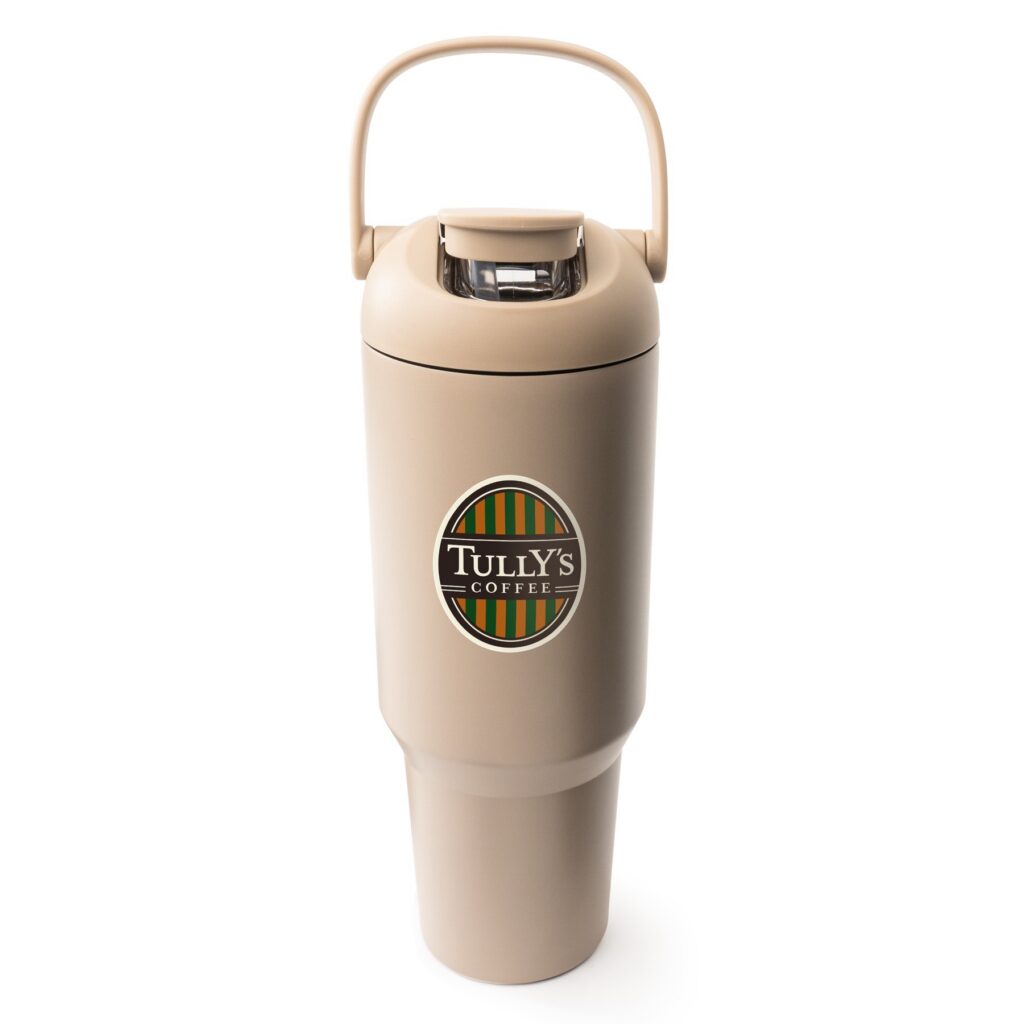
4) Insulated tumblers (Canada’s universal daily driver)
Coffee culture is real, but in Canada the tumbler earns its keep year-round—hot drinks in winter, cold water in summer, and “commuter-proof” durability in between.
Why it belongs:
- High daily use
- Strong perceived value
- Bridges office/home routines
Tip: Keep branding subtle and clean. People keep sleek drinkware longer, and it becomes part of their routine instead of an “event freebie.”
5) Microfibre cloths (small item, big impact)
This is the sleeper hit. Hybrid work means screens: laptops, monitors, phones, glasses. A microfibre cloth is one of those items people don’t buy often—but immediately appreciate when they have it.
Why it belongs:
- Extremely mail-friendly
- Constant utility
- Great add-on that feels thoughtful
Extra polish: Package it with a tiny “care card” for devices or glasses—simple, useful, and brand-enhancing.
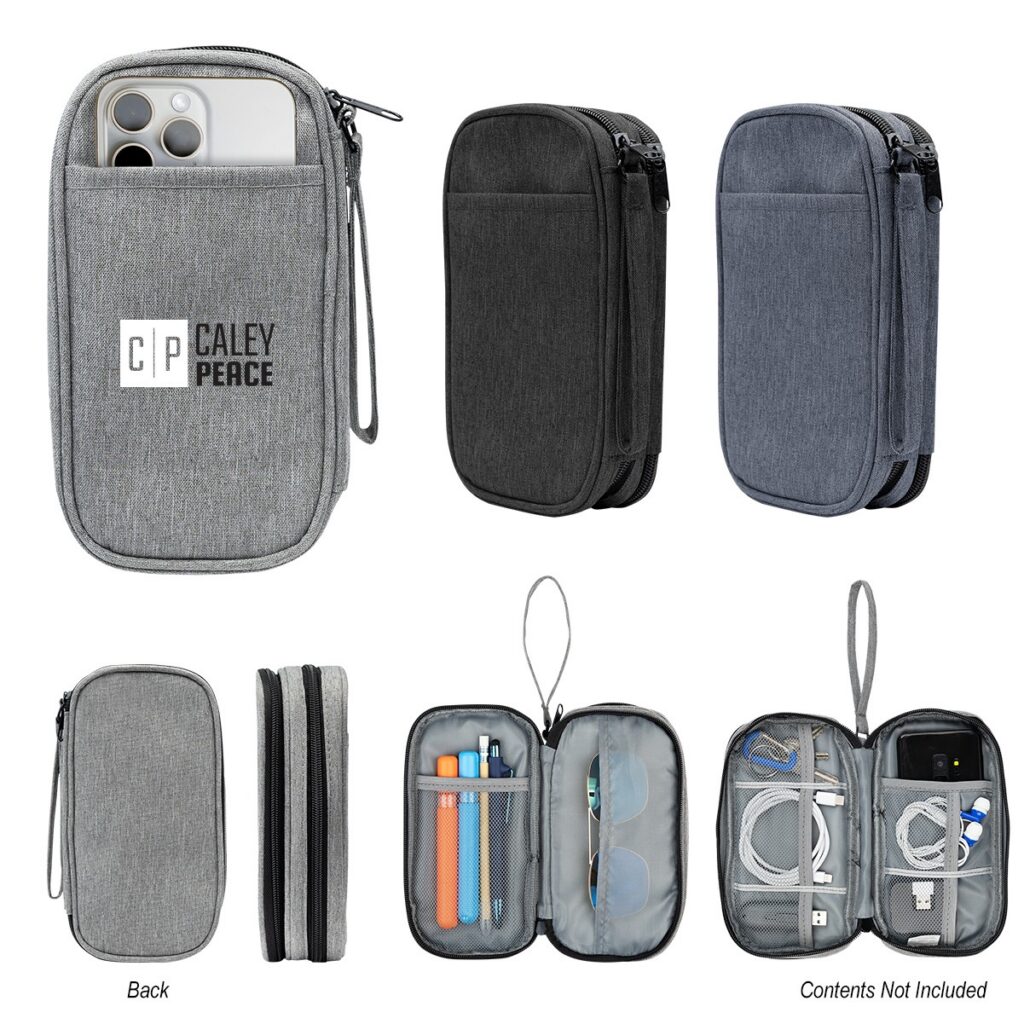
6) Tech pouches (the hybrid organizer)
People bounce between home, office, and travel days. Tech pouches solve the cable chaos and prevent the “I forgot my charger” moment.
Why it belongs:
- Supports mobility
- Keeps essentials together
- Feels premium without being flashy
What it replaces: Random branded USB drives (often unused) and low-quality bags that wear out fast. A well-made tech pouch sticks around.
7) Shipping-friendly packaging (because Canada is big)
Here’s the truth: your kit’s packaging is part of your brand. In Canada, where shipping distances are long and conditions vary, packaging needs to be sturdy, compact, and simple to open—without looking cheap.
Why it matters:
- Protects items (reduces waste and replacements)
- Delivers a better first impression
- Makes remote employees feel equally prioritized
Best practice: Choose a box that fits mailbox dimensions where possible, or use flat-packed items to reduce dimensional shipping costs.
Mail-safe merch: designing kits that survive Canada Post (and everything in between)
If you’re onboarding across Canada—especially to remote regions—your kit needs to be built for transit. “Mail-safe merch” isn’t just about avoiding damage; it’s about avoiding disappointment.
What “mail-safe” really means
- Durable: Items won’t crack, leak, or warp
- Compact: Low dimensional weight, fewer shipping headaches
- Temperature-tolerant: No melting, freezing, or separating
- Replaceable: If something goes wrong, it’s easy to swap without drama
Smart mail-safe choices (and why they work)
- Webcam covers: flat, unbreakable, easy win
- Microfibre cloths: weightless, always useful
- Notebooks: sturdy, doesn’t require padding
- Desk mats: rolled and protected, minimal risk
- Tech pouches: flexible and durable
- Insulated tumblers: mail-safe if packed correctly (more on that below)
How to ship tumblers safely (without paying a fortune)
- Use custom inserts or molded paper protection (better than excessive bubble wrap)
- Keep the box snug so items don’t shift
- Avoid oversized packaging that increases dimensional cost
- Include a quick “unboxing card” so the experience feels intentional, not industrial
Avoid these common remote-shipping pitfalls
- Glass items (high break risk)
- Aerosols or liquids (temperature + shipping restrictions)
- Cheap plastics that crack in cold weather
- Overly bulky items that cost more to ship than they’re worth
Mail-safe merch says: We thought about your experience—even if you’re far away.
Make it unmistakably Canadian: bilingual, multi-time-zone, and genuinely inclusive
A Canadian onboarding kit should reflect the reality of Canadian teams: different time zones, different communities, and often, two languages.
Build in bilingual touches without clutter
You don’t need to double every line of copy on every item. Instead:
- Use simple bilingual greetings on the insert card (“Welcome / Bienvenue”)
- Use icons and clear formatting
- Add a QR code linking to onboarding resources with a language toggle
This keeps the kit clean and premium while still feeling culturally aware.
Acknowledge time zones in your welcome materials
Small gesture, big effect. Your insert card can include:
- “Here’s who to contact in your time zone”
- A “first-week schedule” that doesn’t assume everyone is on Eastern Time
- A note like: “We’ll make space for your hours—tell us what works.”
It tells new hires: We see where you are—and we respect it.
The best kits don’t just onboard. They retain.
Here’s the bigger picture: onboarding kits are a culture accelerant. In hybrid teams, people decide whether they “fit” faster than ever—often before they’ve met half the team in person.
A well-built kit can:
- reduce first-week friction
- increase daily brand touchpoints
- reinforce professionalism and care
- make remote hires feel equally valued
- turn “new job anxiety” into “I’m set up to succeed”
And in a country as spread out as Canada, that consistency is everything.
A simple formula for a kit people actually keep
If you want your onboarding kit to feel premium, practical, and proudly Canadian, use this filter:
Useful daily + easy to ship + inclusive by design.
That’s how you build a welcome experience that works from Toronto to Tuktoyaktuk—and everywhere your next great hire might be logging in from.